How to Identify Barley Leaf Diseases: A Field Guide
How to Identify Barley Leaf Diseases: Scald, Net Blotch, Spot Blotch, and Bacterial Leaf Streak
Summary: Common barley leaf diseases fall into two categories: fungal (scald, net form net blotch, spot form net blotch, spot blotch) and bacterial (bacterial leaf streak). Although this list is not exhaustive, these are found across the Canadian prairies and easy to mis-identify. Correct field identification matters because fungicides control the fungal diseases but do nothing for bacterial leaf streak — spraying the wrong one wastes money and adds fungicide-resistance risk.
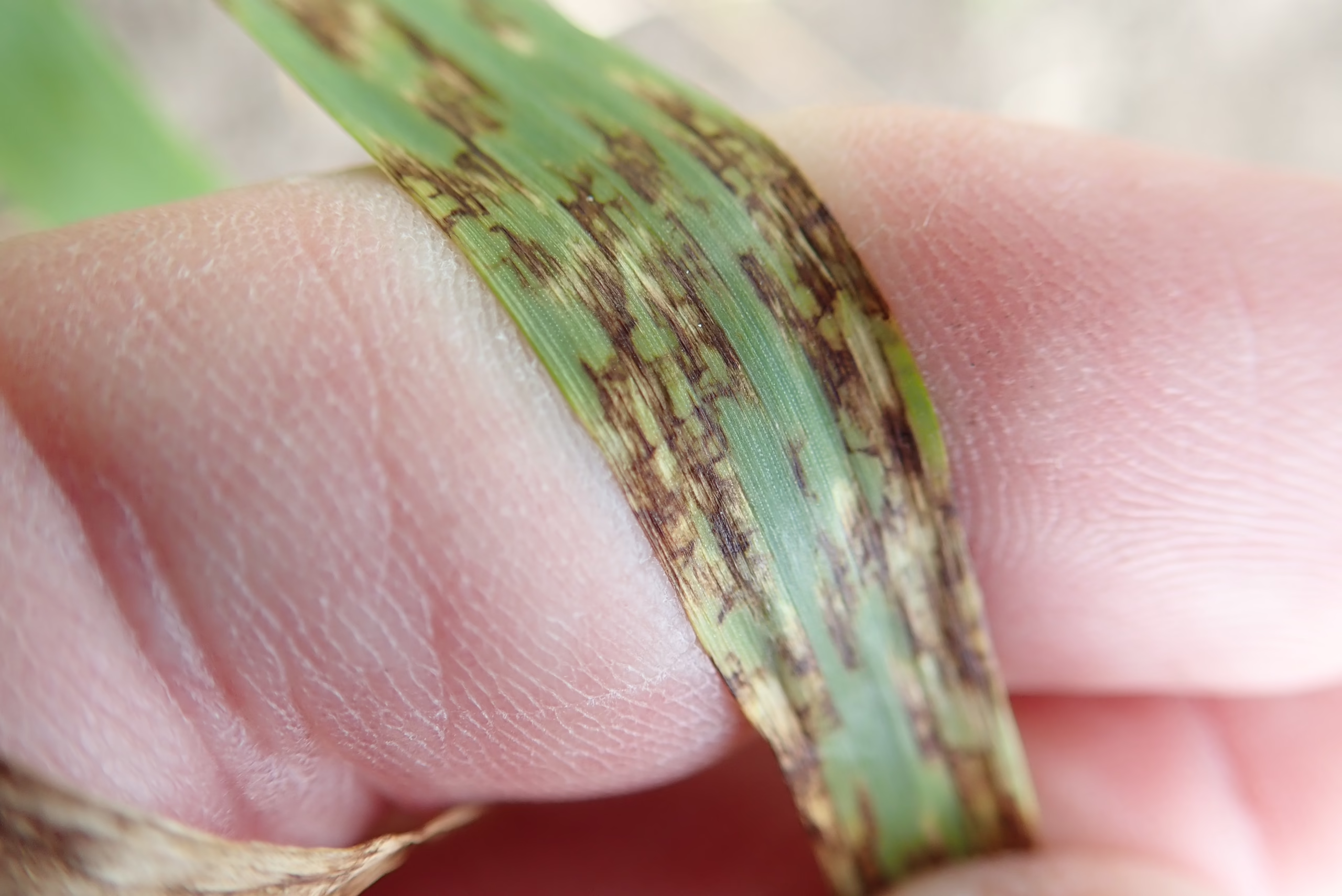
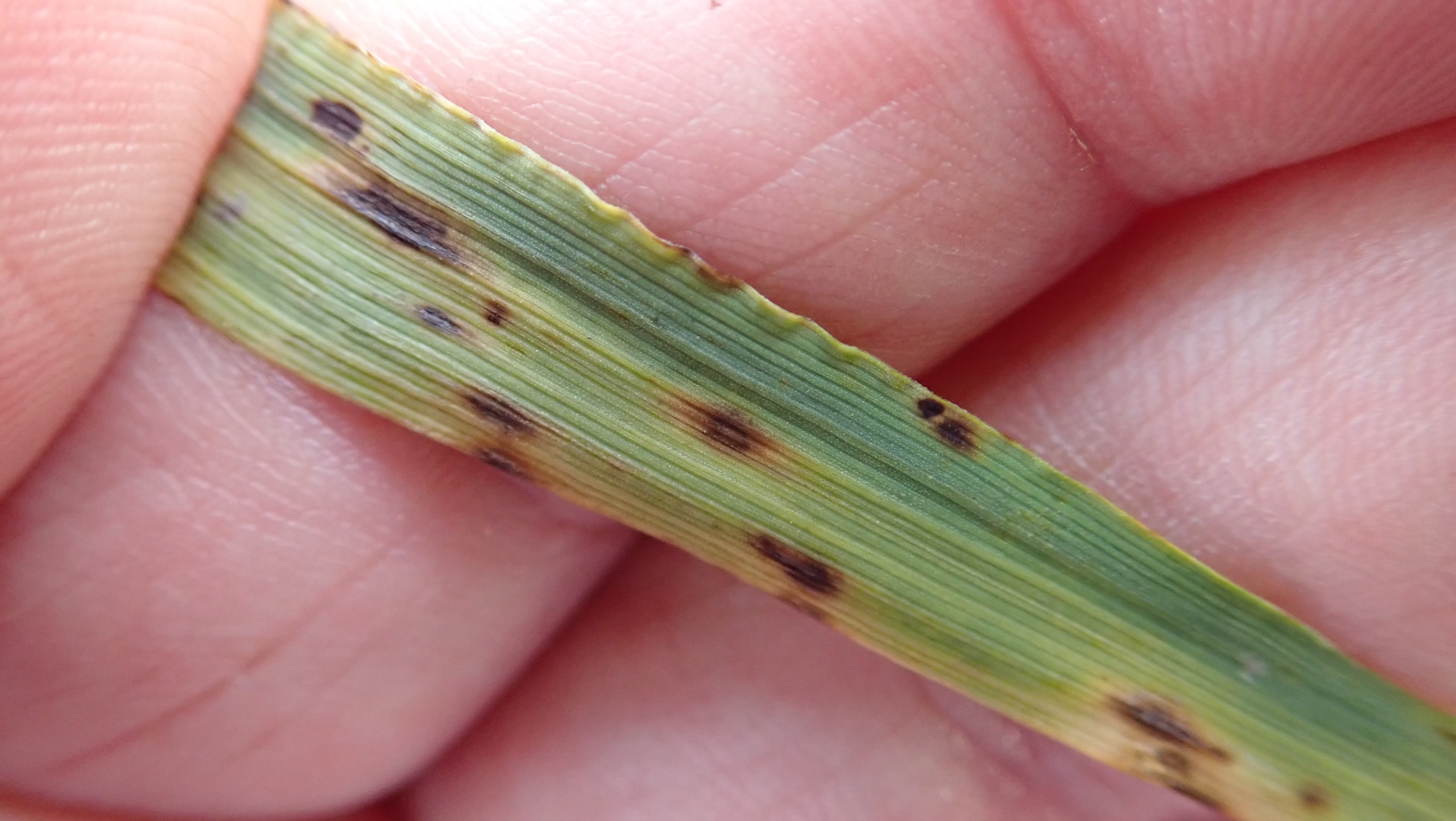
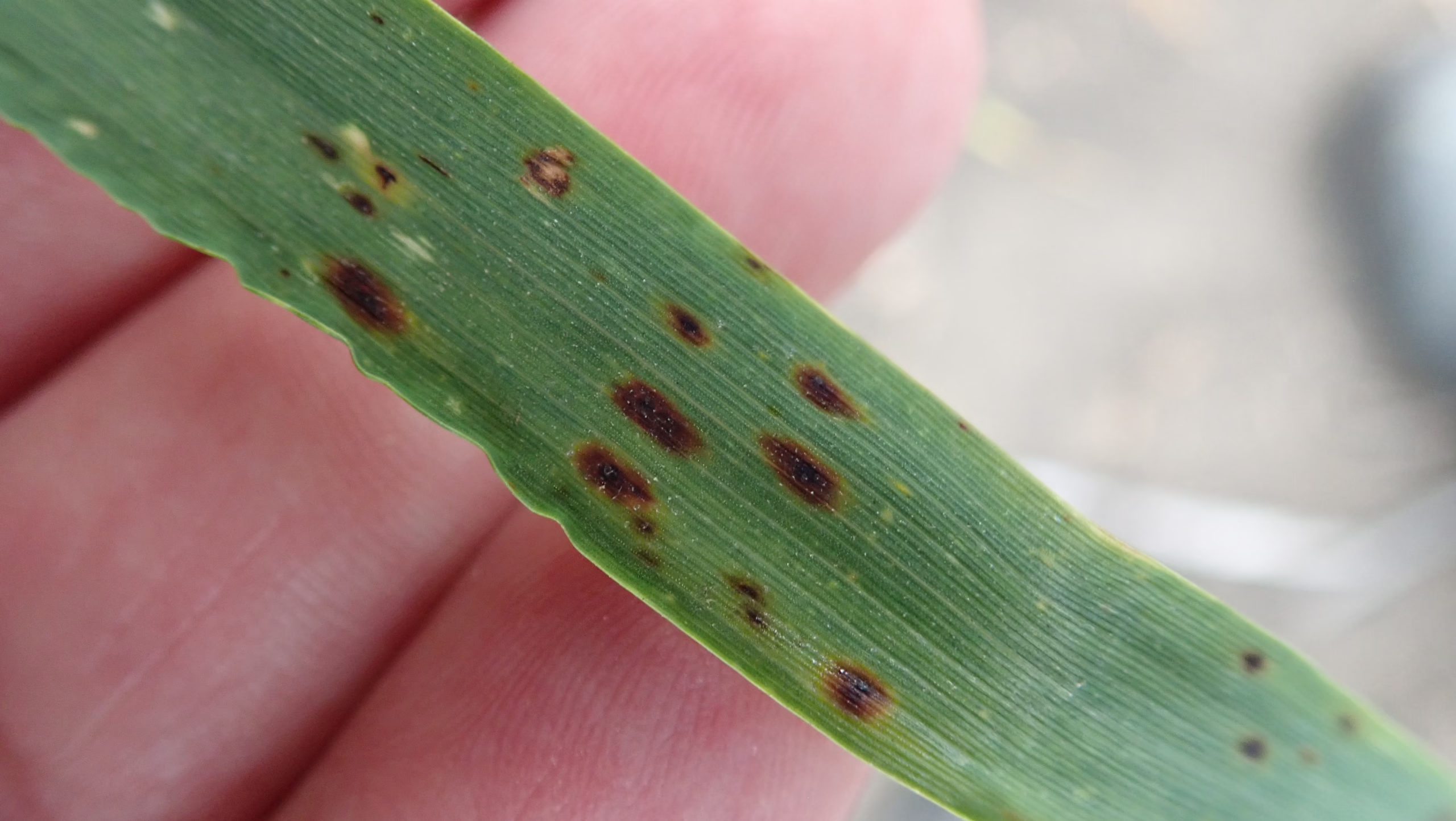
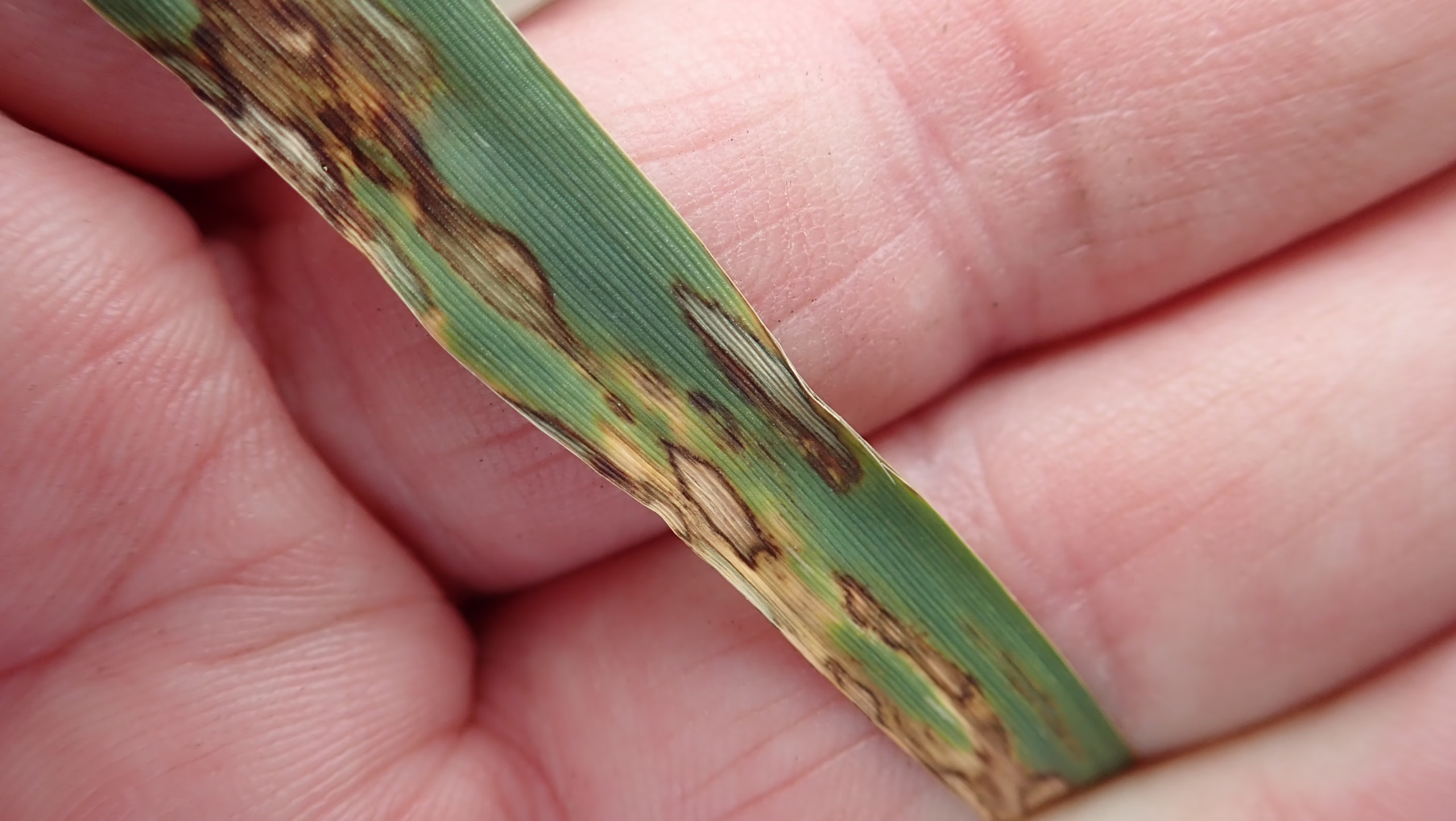
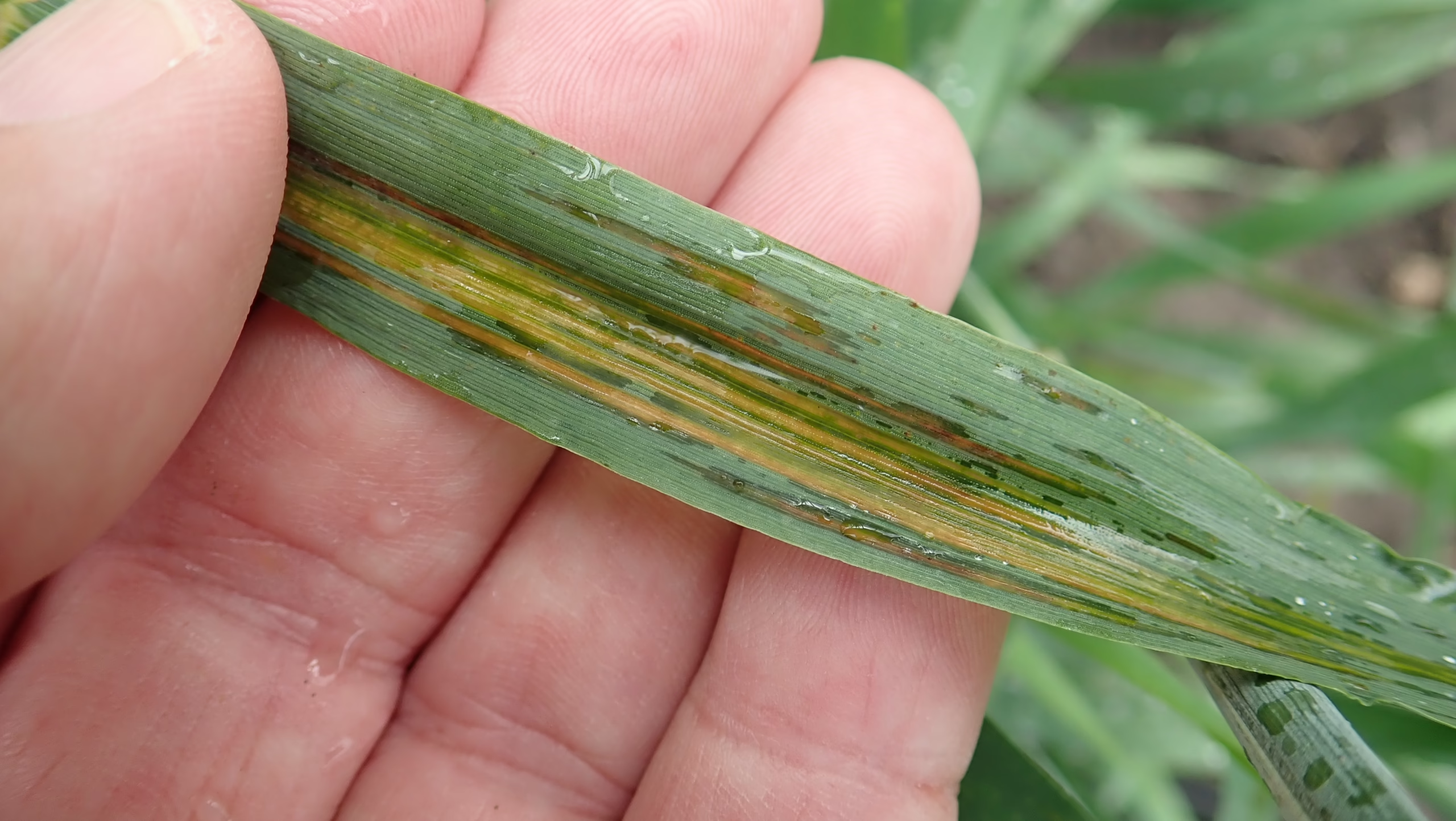
Photos credited to Dr. Kelly Turkington and Dr. James Tucker.
Why barley leaf disease identification matters
Correct identification determines whether a fungicide pass will help or simply cost money. Four of the five diseases covered here are fungal and respond to fungicide; the fifth, bacterial leaf streak, does not — and misapplying fungicide to a bacterial problem adds unnecessary selection pressure on the fungal pathogens you’re actually trying to manage long-term.
Barley growers and agronomists know fusarium head blight (FHB) gets most of the attention — it’s Canada’s most economically damaging cereal disease, and for good reason (see our FHB coverage). But FHB shows up at heading, and it isn’t the only disease worth watching. Earlier in the season, a different set of pathogens is working on the leaves, including: scald, net form net blotch, spot form net blotch, spot blotch, and bacterial leaf streak. Dr. Randy Kutcher, cereal pathologist at the University of Saskatchewan, and Dr. Kelly Turkington walked through how to tell them apart in a recent episode of The BarleyBin.
Episode: The Barley Bin, S3.E7 — “Hidden Threats: How to Identify Barley Leaf Diseases in the Field,” featuring Dr. Randy Kutcher, Ministry of Agriculture Strategic Research Program (SRP) Chair in Cereal and Flax Crop Pathology (University of Saskatchewan) and Dr. Kelly Turkington, pathologist (formerly AAFC Lacombe). Listen on barleybin.ca | Listen on Spotify
What’s the difference between fungal and bacterial barley leaf diseases?
Scald, net form net blotch, spot form net blotch, and spot blotch are caused by fungi and can be managed with fungicide. Bacterial leaf streak is caused by a bacterium, and there is currently no registered bactericide for barley in Canada — fungicide has no effect on it.
As Dr. Kutcher put it on the podcast:
“If you see sporulation and you see fungal spores, then you know it’s not bacteria. But bacteria are fairly easy at certain times of the day and the season.” — Dr. Randy Kutcher, University of Saskatchewan, The Barley Bin, S3.E7 (2026)
The practical test in the field: fungal diseases show distinct lesion shapes and, under a hand lens, visible spores. Bacterial leaf streak shows a water-soaked, “crushed leaf” look early on, and — under humid conditions — tiny droplets of bacterial ooze that feel slightly slick between your fingers. When it dries, the ooze disappears and leaves behind necrotic streaks, often down the leaf’s centre.
How do I tell scald, net blotch, and spot blotch apart in the field?
Scald produces pale grey, water-soaked blotches with a defined edge; net form net blotch produces a distinctive net-like or grid pattern; spot form net blotch and spot blotch both produce oval brown spots, which is why the two are easy to confuse.
| Disease | Cause | Typical Leison | Conditions that favour it | Most common on the Prairies |
|---|---|---|---|---|
| Scald | Fungus | Pale grey/bleached, water-soaked blotches, 1–1.5 cm, defined dark edge | Cool, wet | Alberta and into Western Saskatchewan |
| Net form net blotch | Fungus | Distinctive net/grid pattern | Cool, damp | Widespread across the Prairies |
| Spot form net blotch | Fungus (related to net form, different subspecies) | Oval brown spots, no netting | Cool, damp | Widespread; can resemble spot blotch |
| Spot blotch | Fungus (different species than net blotch) | Small brown spots enlarging to dark oval blotches, distinct margins | Warm, humid | Eastern Saskatchewan, Manitoba |
| Bacterial leaf streak | Bacterium | Water-soaked streaks, bacterial ooze, no sporulation | Warm, wet, splash-dispersed | Increasingly reported prairie-wide |
Gallery: Scald in Barley
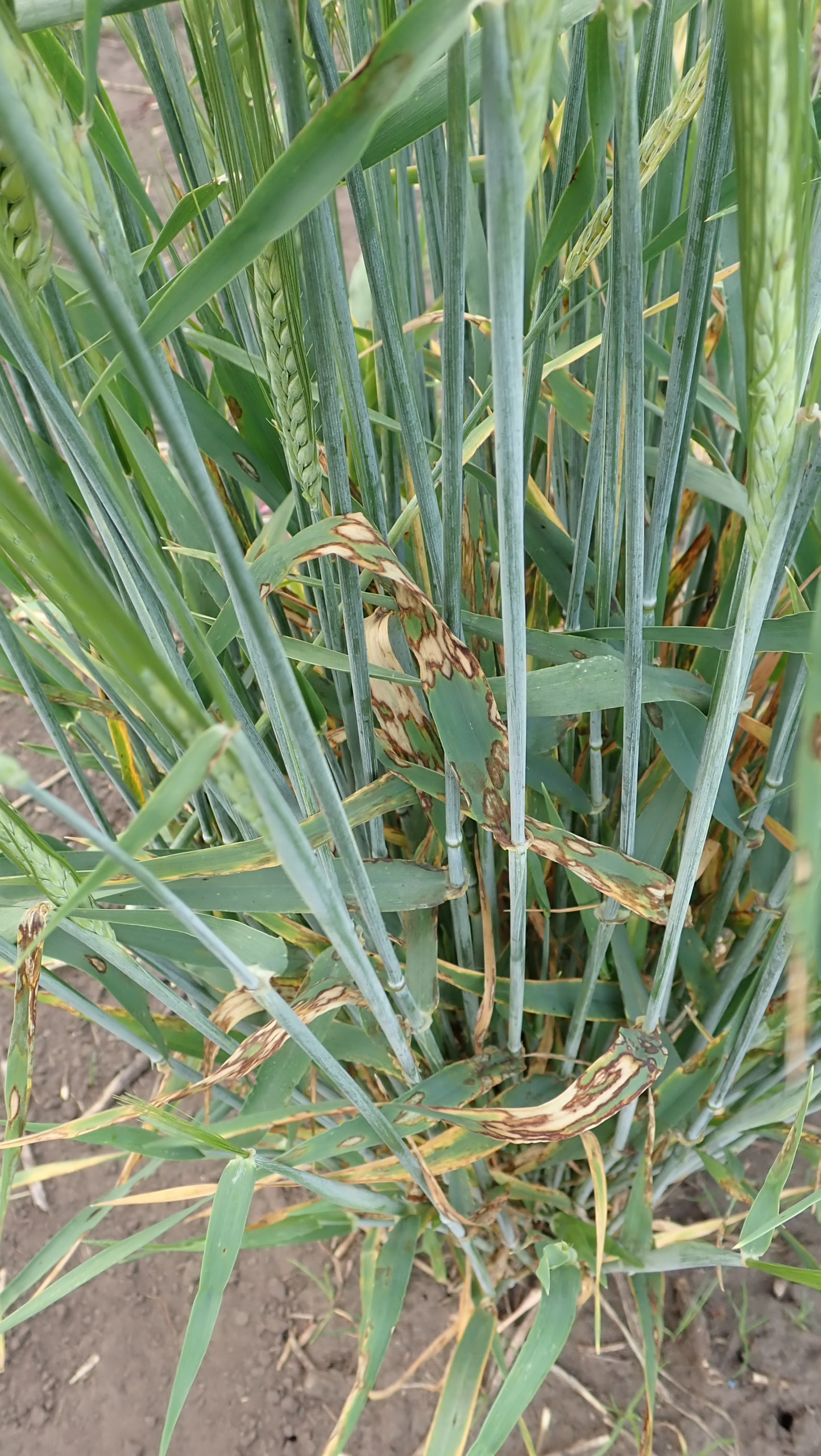
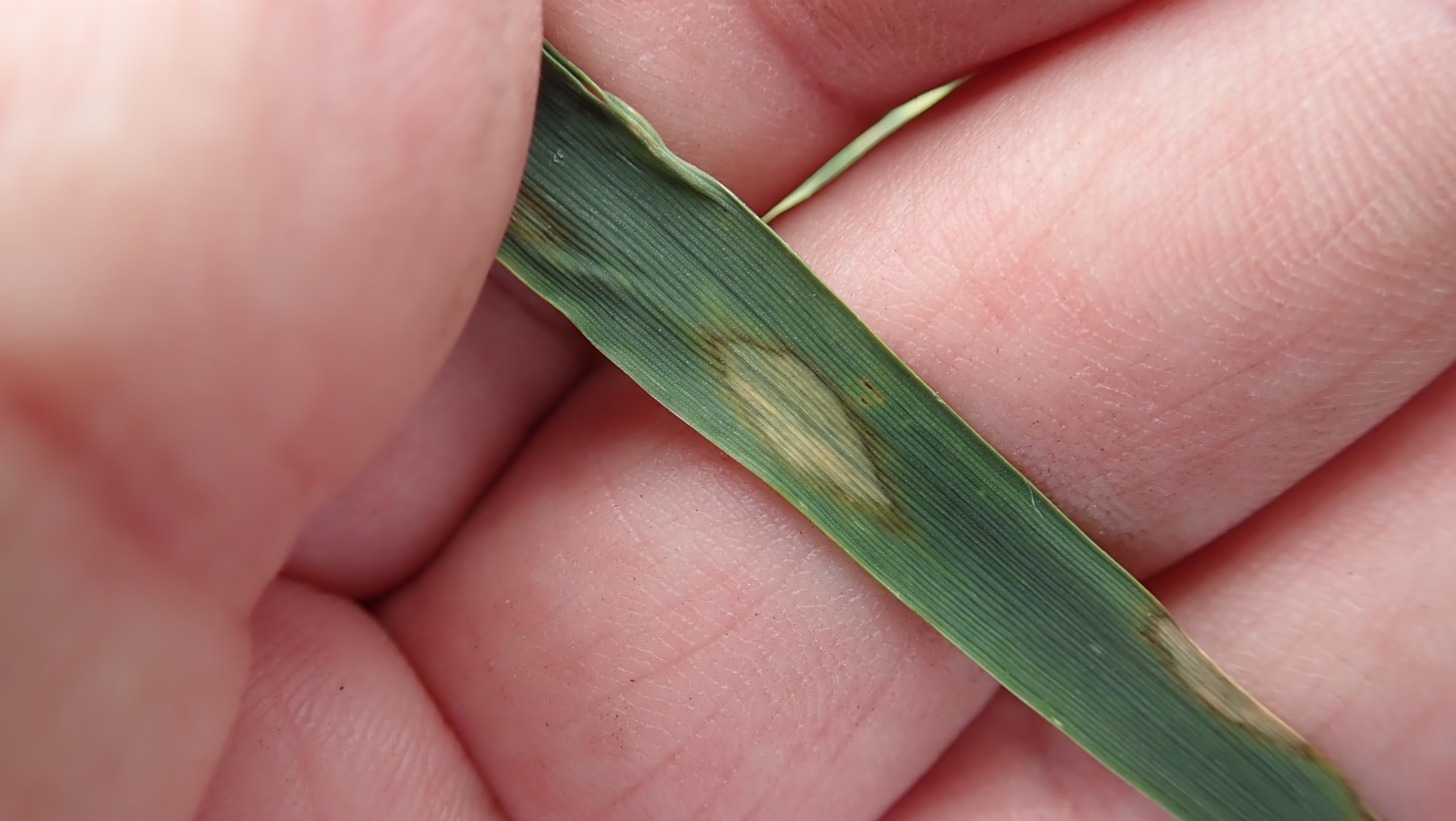
Photo credit: Dr. Kelly Turkington
Gallery: Net Form Net Blotch in Barley
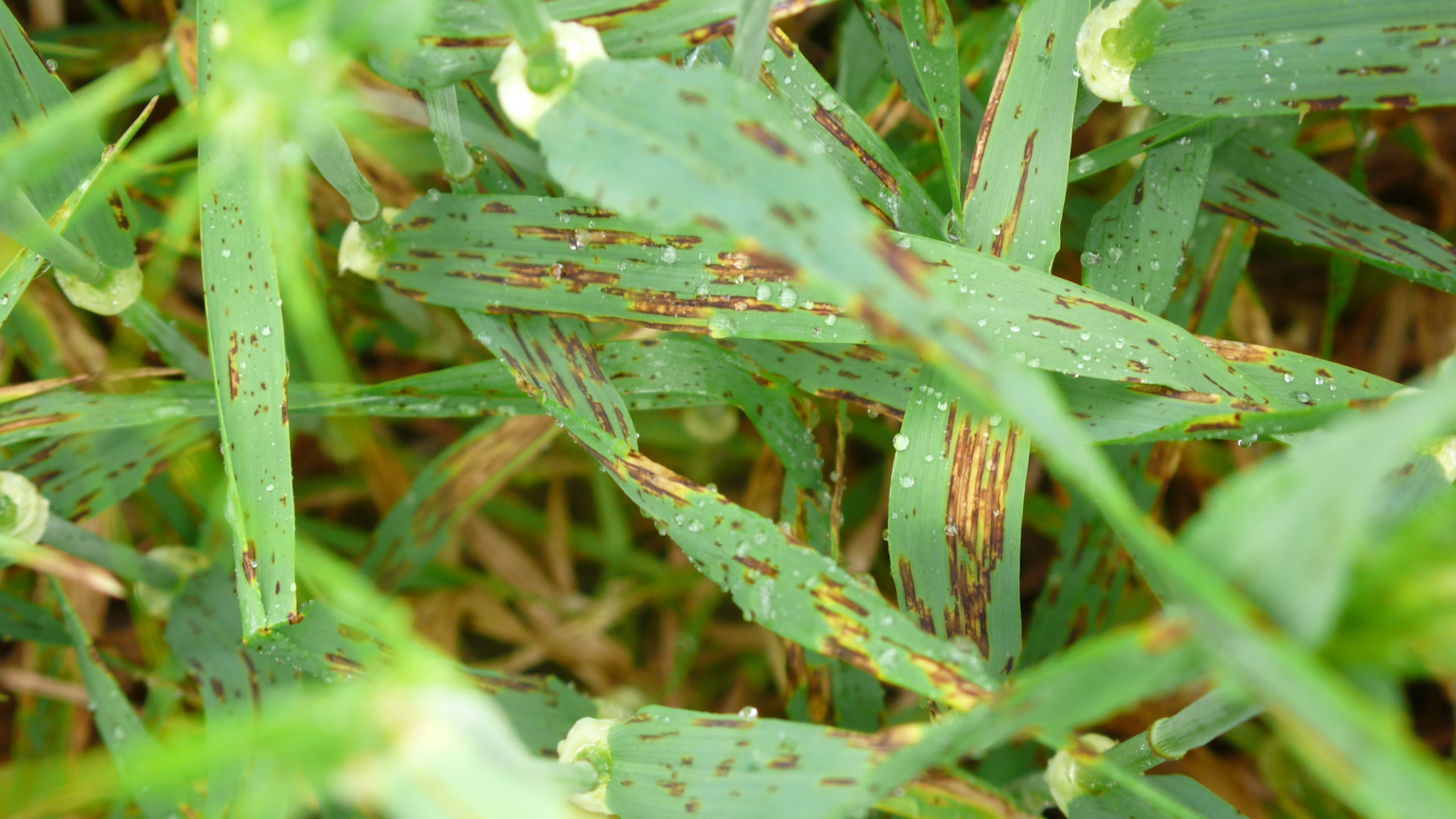
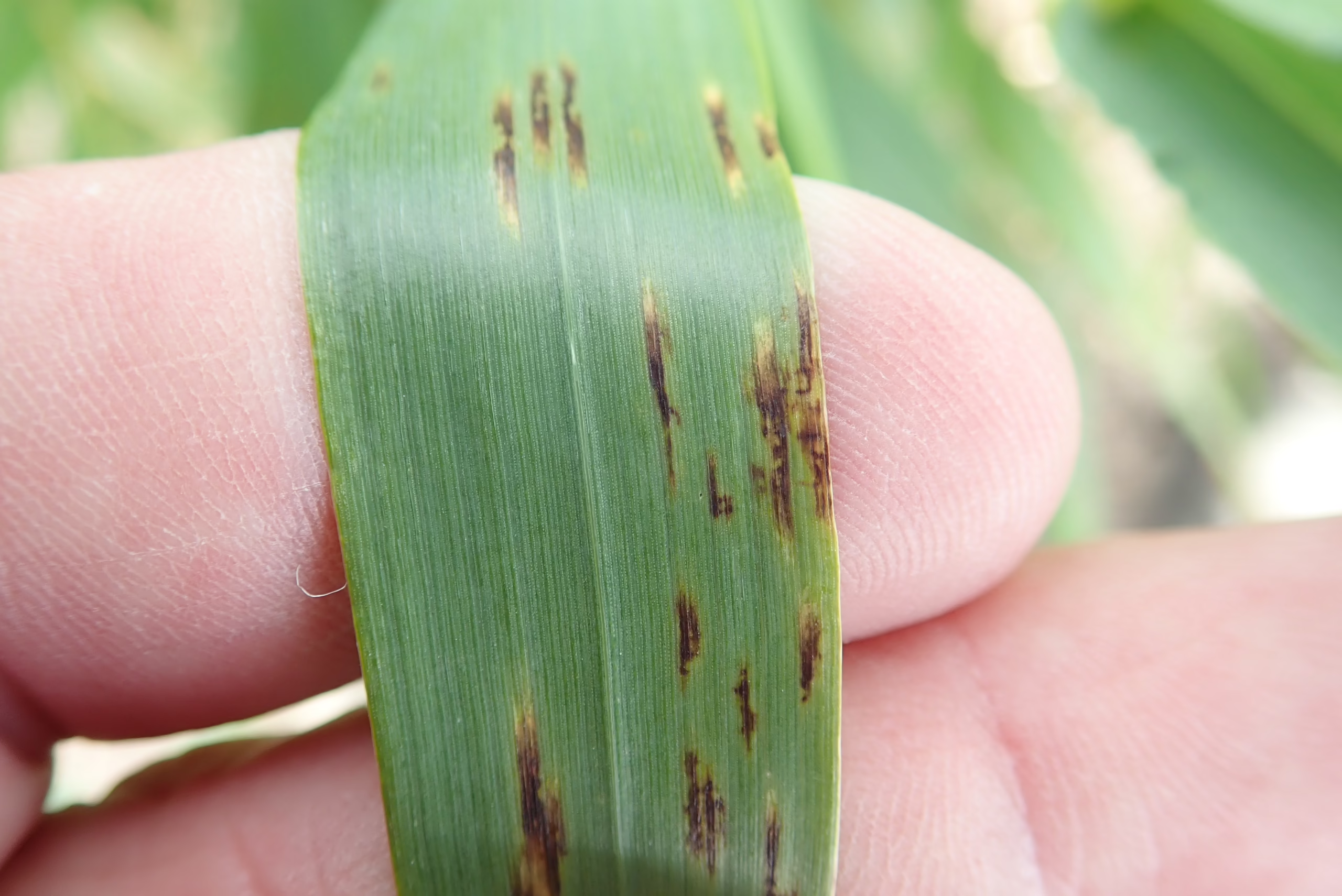
Photo credit: Dr. Kelly Turkington
Gallery: Spot Form Net Blotch in Barley
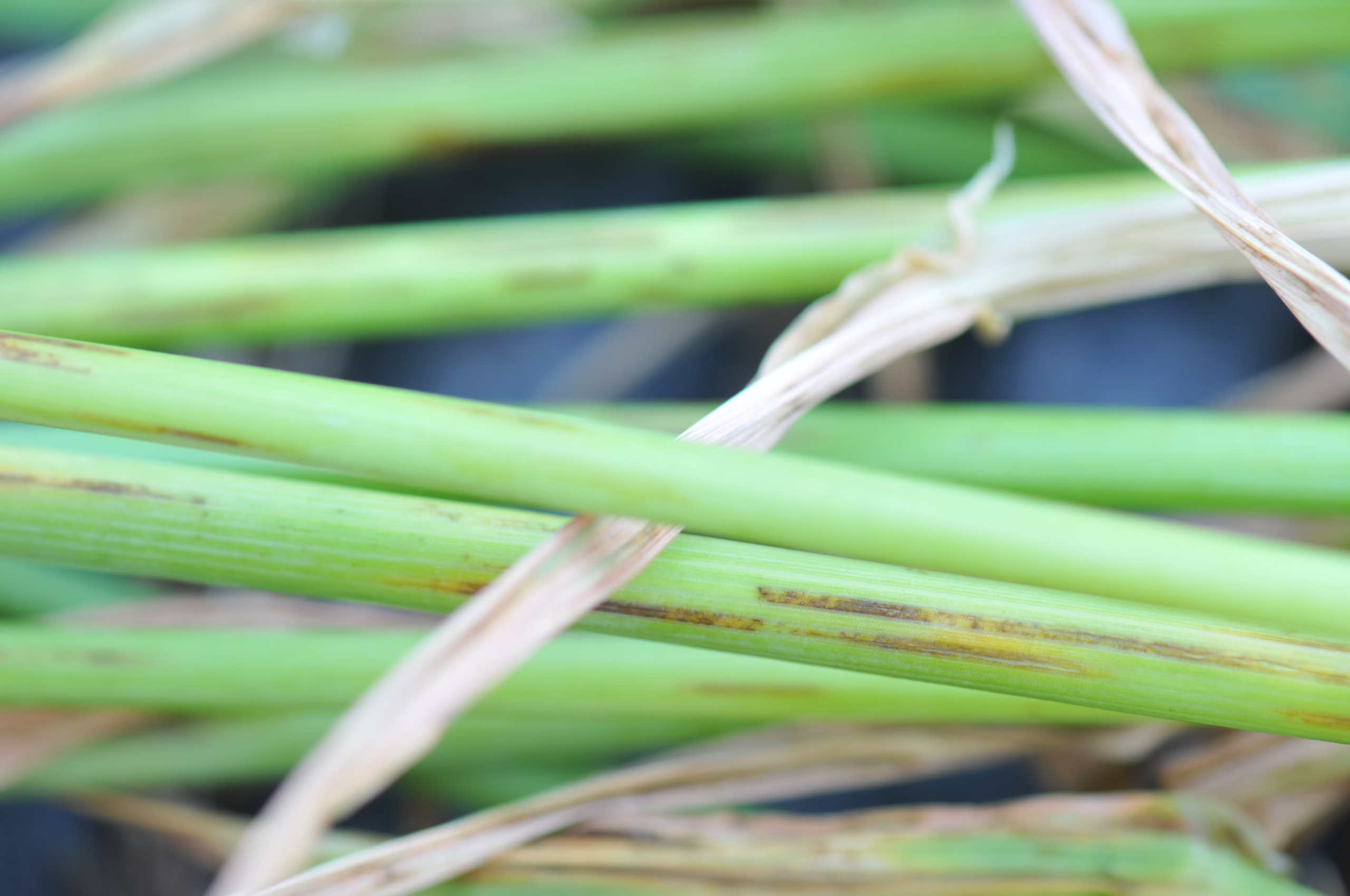
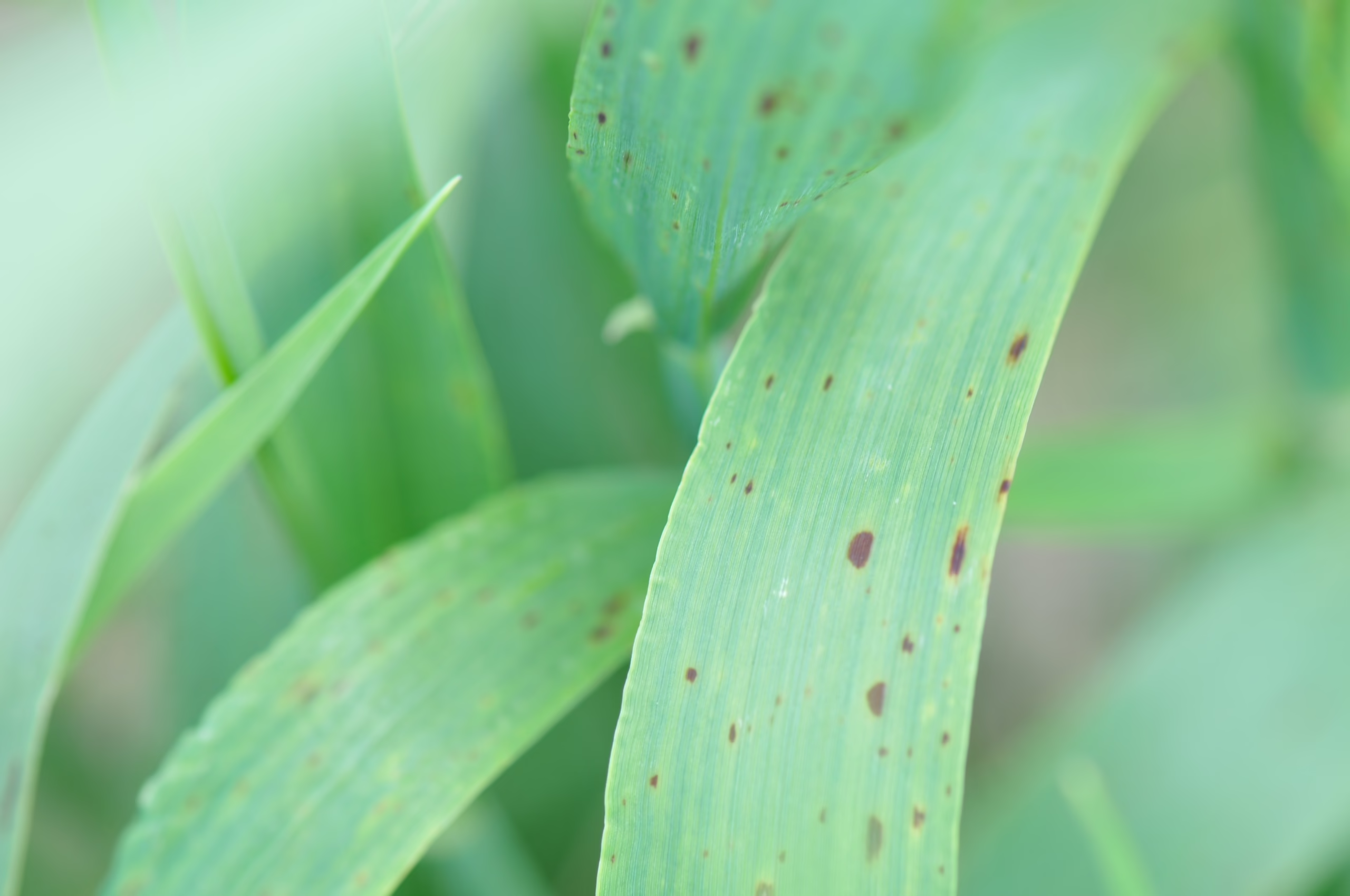
Photo credit: Dr. Kelly Turkington
Gallery: Spot Blotch in Barley
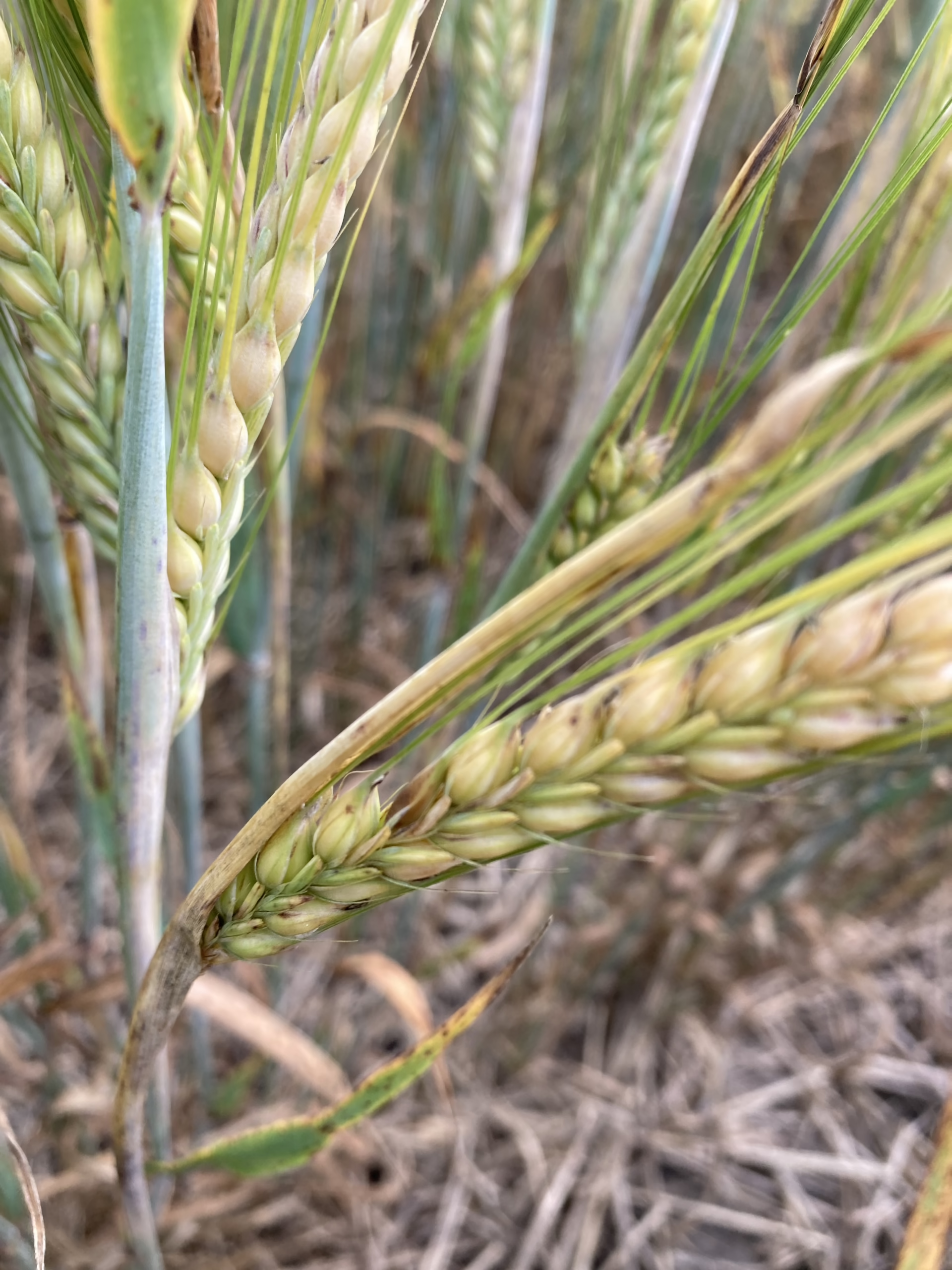
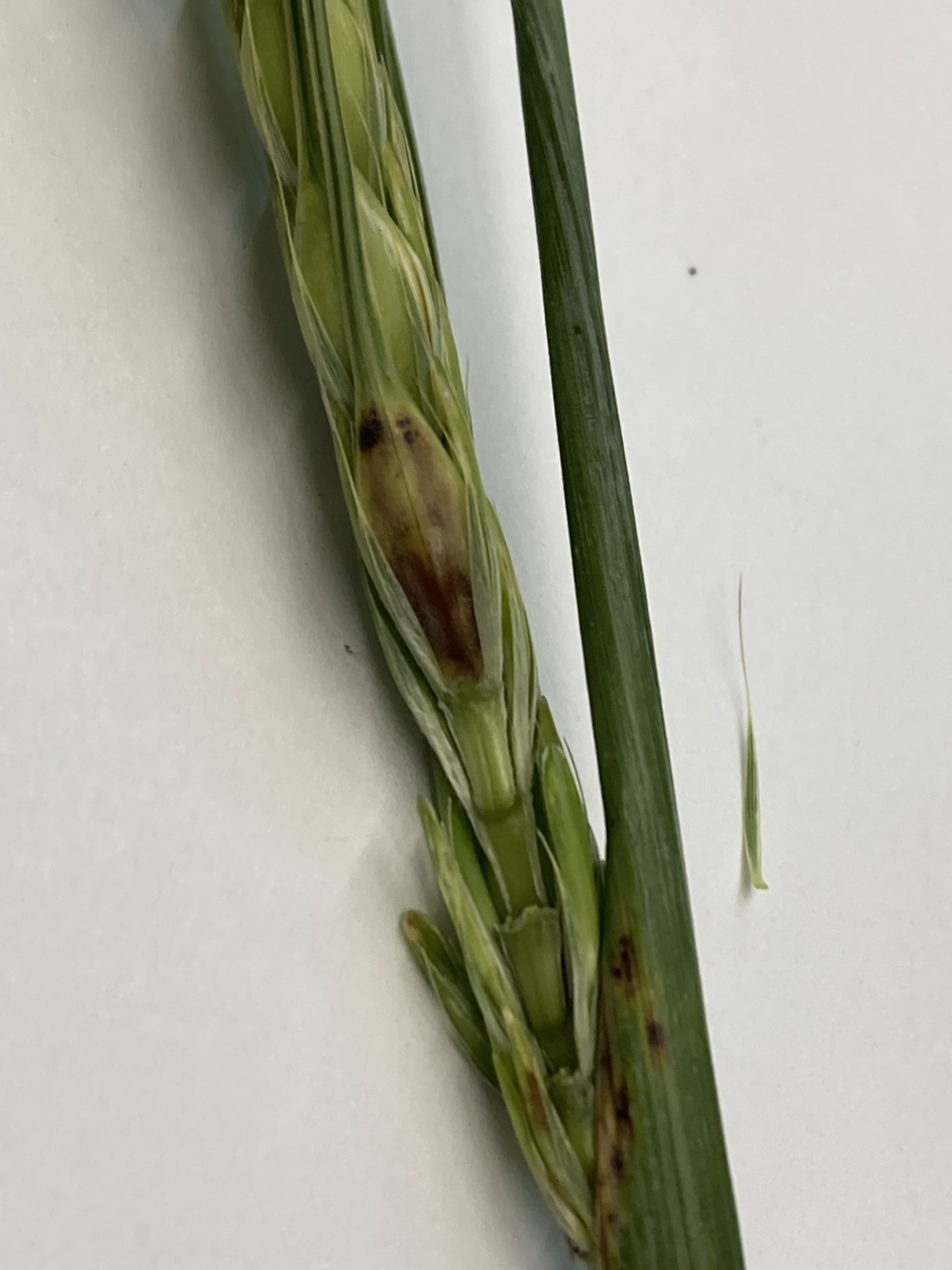
Photo credit: Dr. James Tucker
Gallery: Bacterial Leaf Streak in Barley
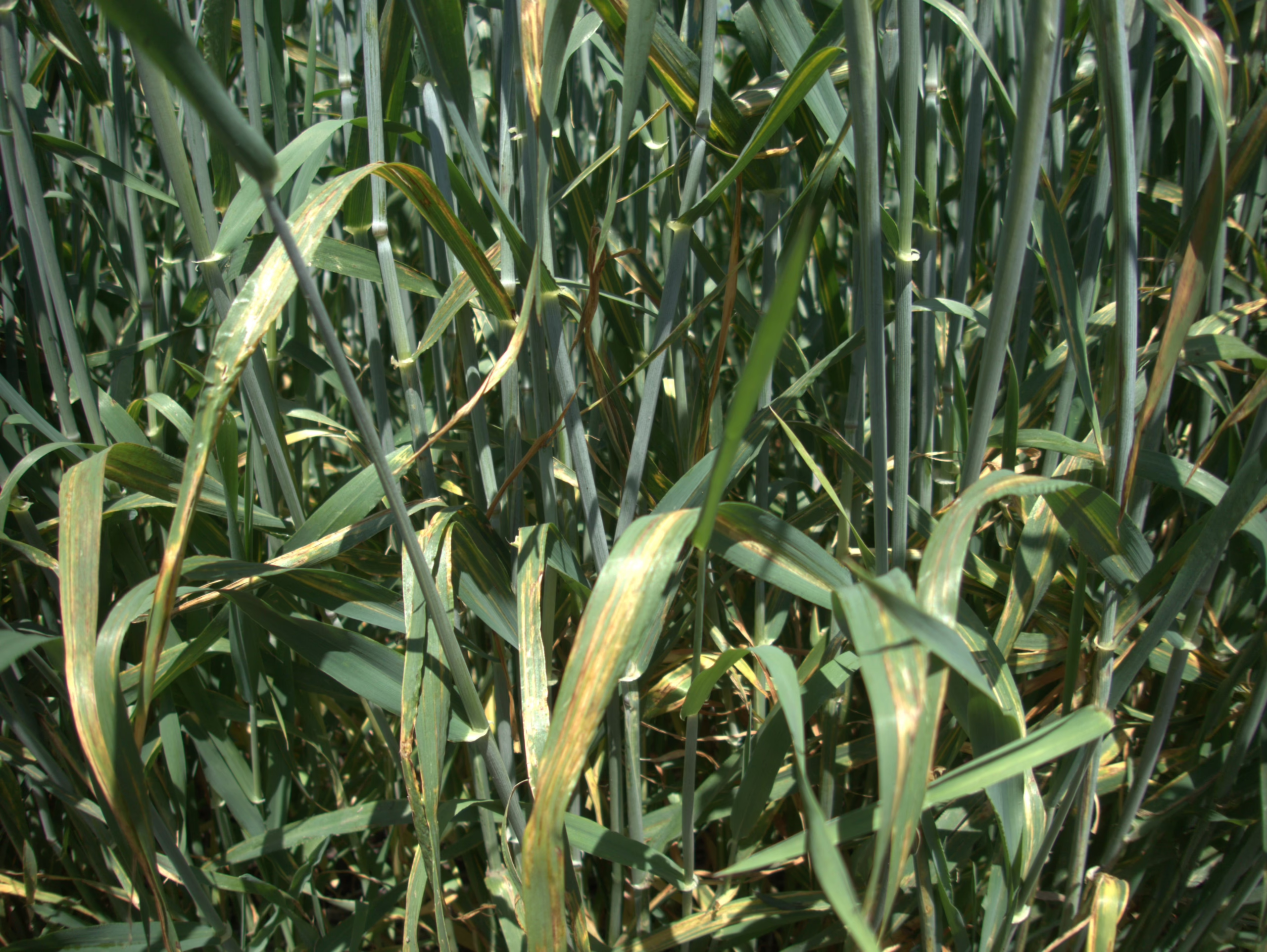
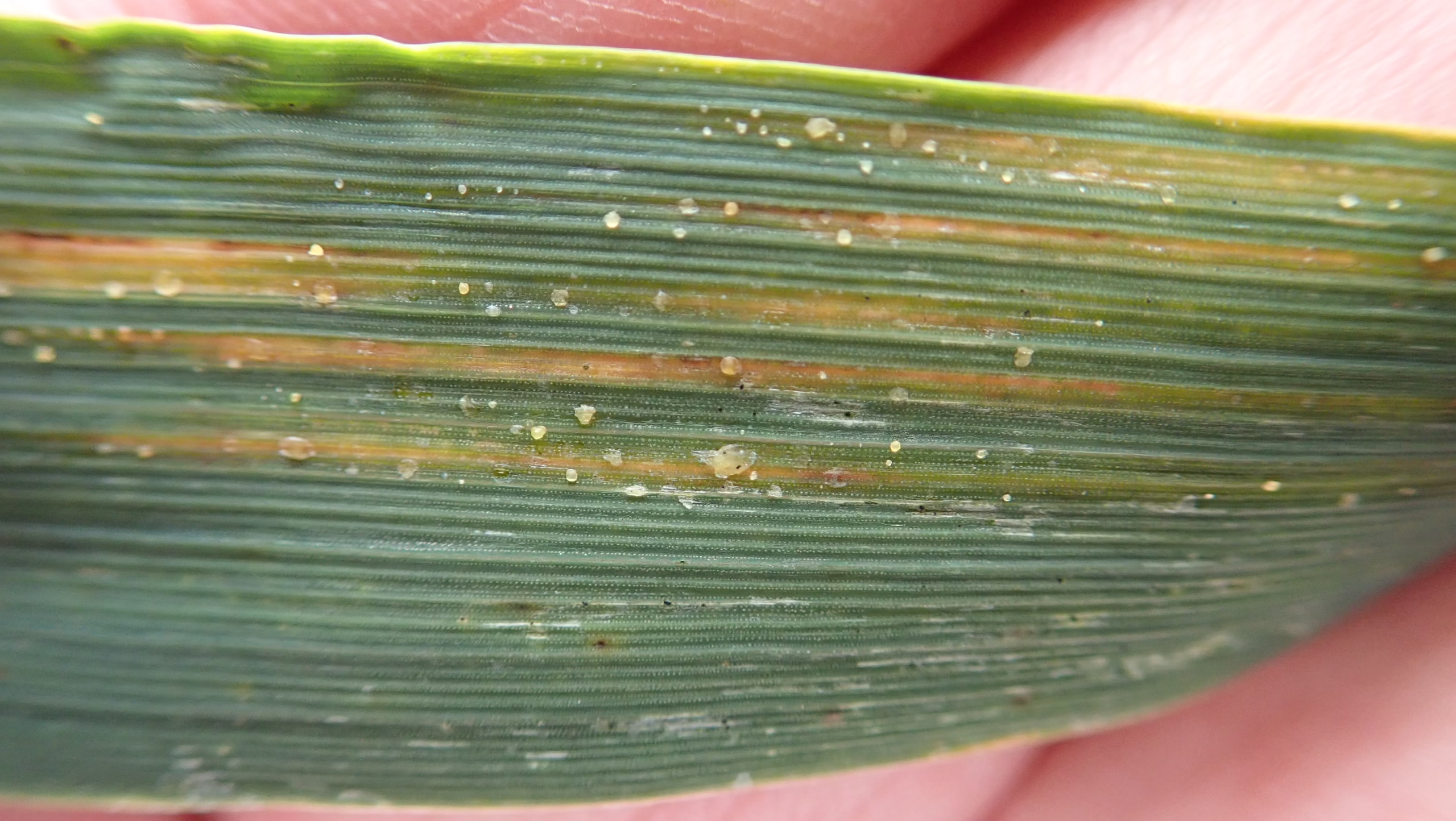
Photo credit: Dr. Kelly Turkington
Why does correct identification affect fungicide decisions?
Fungicide resistance (also called insensitivity) develops the same way herbicide resistance does in weeds: repeated exposure to the same active ingredient selects for the small fraction of the pathogen population that’s naturally less sensitive to it, and that fraction becomes dominant over time. Three fungicide classes are used against barley leaf diseases in Western Canada — triazoles, strobilurins, and SDHIs (succinate dehydrogenase inhibitors) — and rotating between them is one of the main tools growers have to slow resistance development.
Is fungicide resistance actually showing up on the Prairies?
Not yet, but Dr. Kelly Turkington flagged an early warning sign from 2024 field surveys: some sprayed Saskatchewan and Alberta fields showed higher net form net blotch levels than expected, given visible spray tracks suggesting fungicide had been applied.
Turkington has watched fungicide resistance develop in net form net blotch in Australia over multiple visits since 2017 — all three fungicide classes there are now showing reduced effectiveness against the disease on susceptible varieties, even with up to four in-crop applications:
“I characterize [the Australians’] experience and situation there [as] a bit of the canary in the coal mine in terms of fungicide resistance.” — Dr. Kelly Turkington, formerly AAFC Lacombe, The Barley Bin, S3.E7 (2026)
His read on the 2024 prairie data isn’t alarmist — it’s a call for vigilance: extend rotational intervals between barley crops where you can, screen seed for disease before planting, and rotate fungicide actives rather than reaching for the same one every pass.
What role does variety selection play?
Variety is one of the biggest levers growers have over disease risk, alongside weather and rotation — but resistance levels for scald and net blotch are still limited in many current commercial varieties, which is why breeding programs are working further upstream in landraces and wild barley relatives to widen the available genetics.
Dr. Gurcharn Brar, now leading the wheat breeding program at the University of Alberta, put it plainly: for scald and net form net blotch, “we do not have a very high level of resistance in many varieties.” Pre-breeding work — moving useful traits out of landraces and wild ancestors into workable breeding material — takes 15 to 20 years to reach a commercial variety, which means today’s genetics research shapes what’s available in the 2040s, not next season. In the meantime, check the disease resistance ratings in the SaskSeed Guide before deciding what to grow — it remains one of the highest-value, lowest-cost management decisions available.
What about bacterial leaf streak specifically?
Bacterial leaf streak has no in-crop control option in Canada, so management comes down to prevention: start with clean, tested seed, since infected seed is the primary way the disease gets introduced into a field. This disease gets its own deep-dive article in this series, including how seed testing works and what labs are available on the Prairies.
Read more: Bacterial Leaf Streak in Barley: Identification and Management
Common mistakes to avoid:
- Spraying fungicide before confirming whether a leaf disease is fungal or bacterial.
- Relying on visual ID alone for high-value decisions — a hand lens, lab sample, or PCR test removes uncertainty.
- Assuming that because a field was sprayed, disease pressure is under control.
- Ignoring variety disease ratings at seeding time in favour of yield potential alone.
Frequently asked questions:
What’s the easiest barley leaf disease to identify in the field? Scald is generally considered the most distinct — once you’ve seen it, the pale grey, water-soaked blotches with a defined dark edge are hard to mistake for anything else, especially in cooler areas of the Prairies.
Can I use a hand lens to tell fungal and bacterial leaf diseases apart? Yes. A cheap hand lens or light microscope can often reveal fungal sporulation on a lesion. If you see spores, it’s fungal. If you see water-soaked tissue and, under humid conditions, tiny slick droplets of ooze, that points to bacterial leaf streak.
Do fungicides help with any of these diseases? Fungicides can help manage the four fungal diseases (scald, net form net blotch, spot form net blotch, spot blotch) when timing and product choice are right. Fungicides do not control bacterial leaf streak — there is no registered bactericide for barley in Canada.
Where on the Prairies is each disease most common? Scald tends to concentrate in cooler, wetter areas west and into Alberta. Spot blotch is more common in the warmer, more humid conditions of eastern Saskatchewan and Manitoba. Net form and spot form net blotch are widespread across the Prairies. Bacterial leaf streak has been increasingly reported prairie-wide.
How do I confirm a diagnosis I’m not sure about? Send a sample to a seed or plant pathology lab for confirmation — labs across the Prairies use PCR (and increasingly LAMP) testing to confirm bacterial leaf streak, and can confirm fungal pathogens as well. In Saskatchewan, you can submit samples to the Crop Protection Lab for diagnostic services
Does crop rotation help with leaf diseases the way it helps with FHB? Yes. Extending the interval between barley crops reduces the amount of pathogen-infested residue in a field, which lowers inoculum pressure.
Sources:
- SaskSeed Guide – Saskatchewan Seed Growers’ Association, variety disease resistance ratings
- Bacterial Leaf Streak: Rising Threat to Prairie Crops and Key Management Strategies – Alberta Grains
- Bacterial Blight in Wheat, Oats and Barley – Government of Manitoba
- Blackpoint, Leaf Spotting and Smudge of Wheat – Government of Saskatchewan
- Organic Crop Production Disease Management – Government of Saskatchewan
- Fusarium Head Blight – Government of Saskatchewan
- Crop Diseases – Government of Saskatchewan
- Characterization of the Barley Net Blotch Pathosystem at the Center of Origin of Host and Pathogen – NCBI
- Widespread genetic heterogeneity… fungicide resistance among barley spot form net blotch isolates in Australia – NCBI
- Spot form of net blotch… most prevalent foliar disease of barley in Victoria, Australia – Australasian Plant Pathology
- Interaction of net blotch and scald on barley – Canadian Journal of Plant Pathology
- Turkington — Phenotyping for Disease, Barley Cluster 2022–23 – BMBRI report
- Barley leaf diseases stealing yield – Grainews
- The source of spot blotch resistance – Top Crop Manager
- Emerging cereal diseases: Bacterial leaf streak and black chaff – Top Crop Manager