Bacterial Leaf Streak in Barley: Identification & Management
Bacterial leaf streak (BLS) and black chaff are gaining attention across the Prairies as more cases are identified in cereal crops. While these diseases have long been present, favourable weather conditions and improved awareness are contributing to increased reports. For producers, understanding how these diseases develop—and how to manage them—is key to protecting yield and minimizing spread.
Why it Matters
Bacterial leaf streak can affect wheat, barley, oats and other cereals, and under severe conditions, yield losses can be substantial—potentially up to 50 per cent. Because it is a bacterial disease, it behaves differently than more familiar fungal diseases, which has important implications for management.
Recognizing the Symptoms
Early identification can help guide management decisions and prevent further spread within a field.
A hand lens can help rule out fungal disease by checking for sporulation; confirming bacterial leaf streak specifically usually means sending a sample to a lab for PCR testing, though newer LAMP-based tests are emerging as a faster, more field-portable option.
PCR (polymerase chain reaction) is a lab technique that detects a specific pathogen’s DNA in a sample — a highly sensitive fingerprint test. LAMP (loop-mediated isothermal amplification) does something similar but in a simpler, potentially field-portable format; it’s still emerging as a practical grower-facing tool.
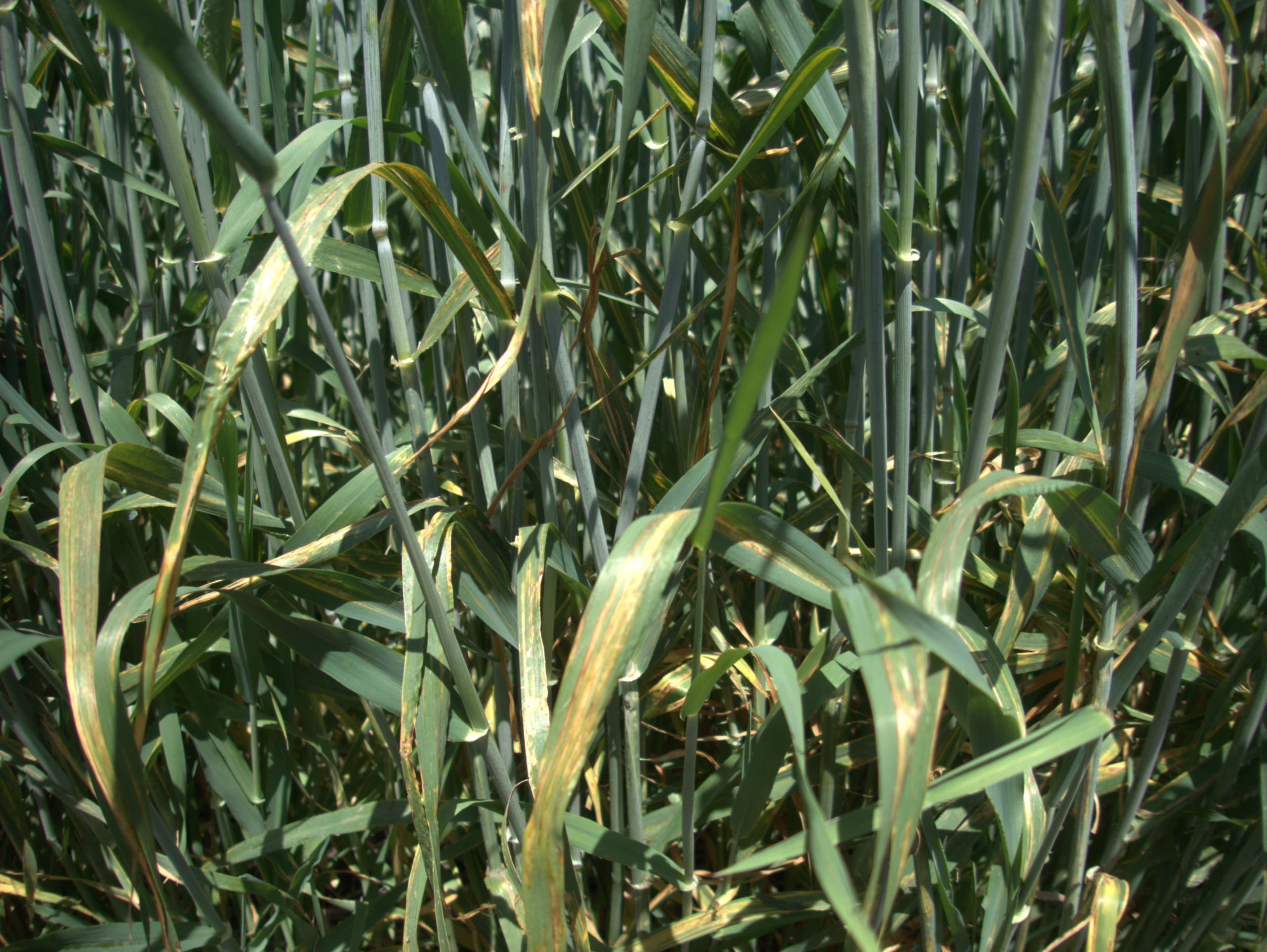
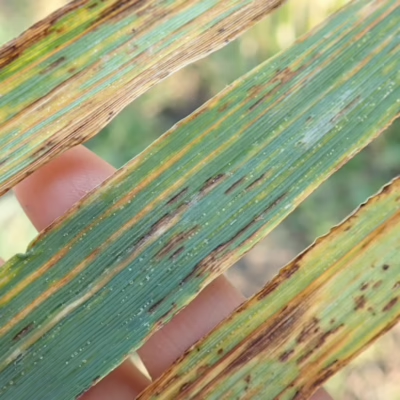
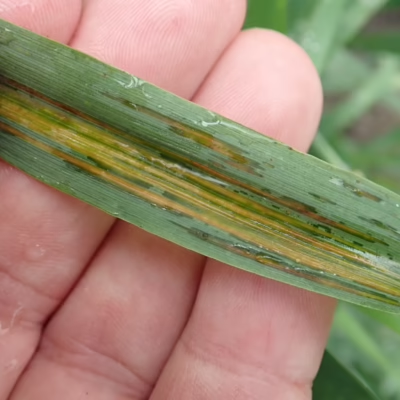
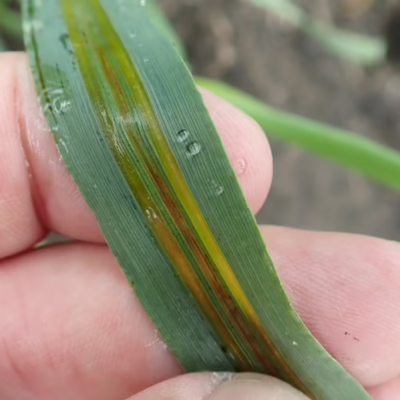
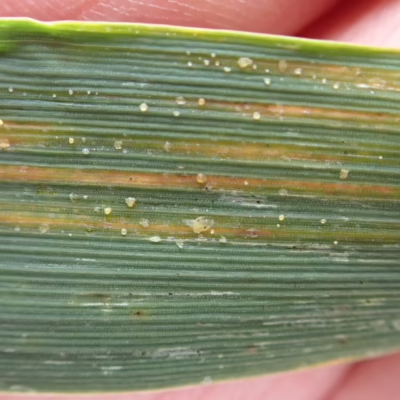
- Leaf symptoms begin as small, water-soaked, translucent streaks or spots.
- Under humid conditions, lesions may produce a milky or yellowish bacterial ooze, a key diagnostic feature.
- As the disease progresses, streaks expand and merge, reducing photosynthetic area and potentially killing leaves from the tip downward.
- Black chaff affects the heads, appearing as dark streaks or striping on glumes and awns.
Symptoms can resemble fungal leaf diseases, so careful scouting is important to confirm diagnosis.
How the Disease Spreads
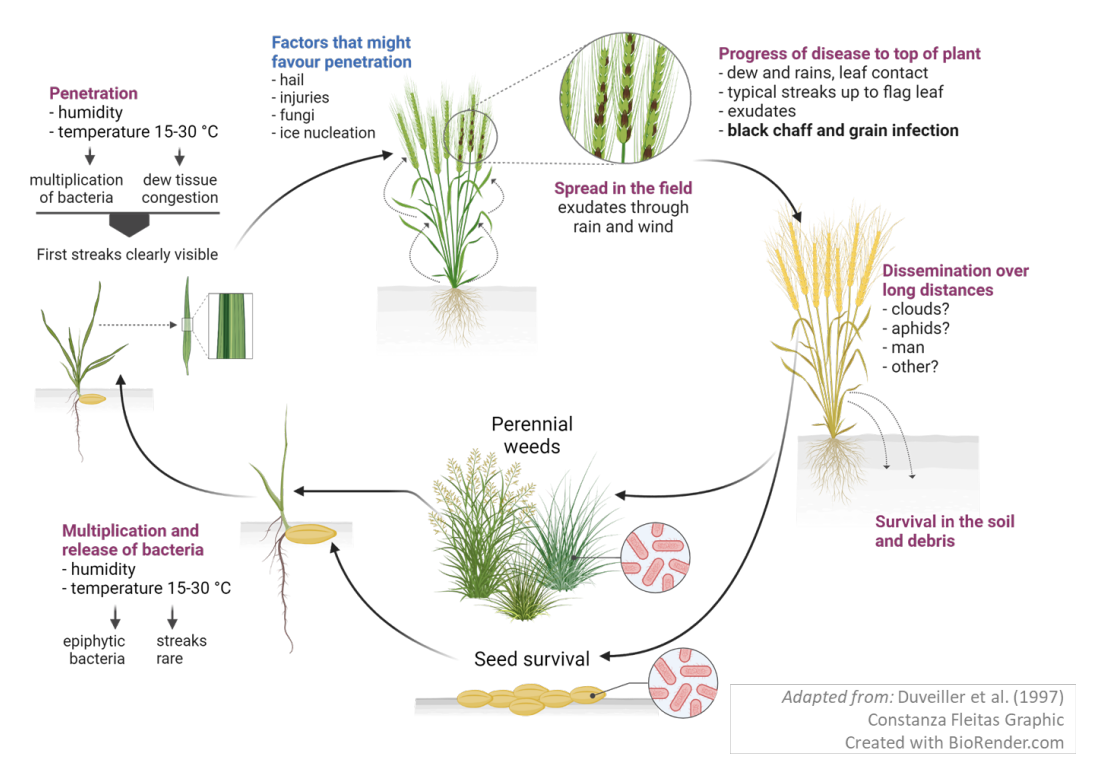
Bacterial leaf streak is primarily seed-borne, making infected seed the main source of introduction into a field. The pathogen can also survive on crop residue, volunteer cereals and grassy weeds.
Once present, the disease spreads through:
- Rain splash and irrigation
- Wind-driven rain
- Mechanical operations or crop contact
- Entry through natural openings or wounds (e.g., hail or abrasion)
Warm temperatures (15–30°C) combined with moisture create ideal conditions for rapid disease development. Multiple infection cycles can occur within a single season.
No Quick Chemical Fix
Unlike many cereal diseases, fungicides—both seed and foliar—are not effective against bacterial leaf streak. This makes prevention and cultural practices the cornerstone of management.
Management strategies that work
An integrated approach is essential:
-
Start with clean seed
- Use the cleanest seed possible and avoid planting seed from infected fields.
- Consider seed testing if bacterial leaf streak is suspected.
- If necessary, source seed from fields with no known history of the disease.
-
Extend crop rotation
- Aim for at least two years between cereal crops.
- Manage volunteers and grassy weeds that can host the bacteria.
-
Scout strategically
- Begin scouting around herbicide timing and continue through to senescence.
- Pay particular attention after storms, hail, or prolonged wet conditions.
- Avoid walking in wet fields, as this can spread bacteria within the crop.
-
Manage moisture
- In irrigated systems, reduce the duration of leaf wetness:
- Irrigate when the canopy is already damp (e.g., evening)
- Allow time for canopy drying between events
- Avoid unnecessary irrigation
-
Consider variety selection
- There is currently limited resistance information available in Western Canada.
- Some varieties may show partial tolerance, but no widely recognized resistant options exist yet.
The Bottom Line
With no chemical control available, prevention is the best defense against bacterial leaf streak and black chaff. Clean seed, crop rotation, careful scouting and moisture management are the most effective tools producers have.
As the disease becomes more common across the Prairies, staying informed and proactive will be critical to minimizing its impact on cereal production.
Alberta Grains, Manitoba Crop Alliance, SaskBarley, Sask Wheat worked together to create an extension resource on Bacterial Leaf Streak and Black Chaff Across the Prairies with the support of plant pathologists: Dr. Michael Harding, Dr. Kelly Turkington, Dr. Maria Constanza Fleitas, Dr. Randy Kutcher, Dr. Jie Feng, Dr. James Tambong and Dr. Sean Walkowiak.
Read the full document here: Bacterial Leaf Streak And Black Chaff Of Cereal Crops In The Prairies (pdf)
Frequently Asked Questions:
Can fungicide treat bacterial leaf streak? No. There are no registered bactericides for barley in Canada, and fungicide has no effect on bacterial leaf streak since it isn’t a fungal disease.
How can I confirm bacterial leaf streak versus a fungal leaf disease? Look for water-soaked, translucent tissue and, under humid conditions, small slick droplets of bacterial ooze. A hand lens can help rule out fungal sporulation. For certainty, a lab-based PCR test is the most reliable confirmation.
Is there a resistant barley variety for bacterial leaf streak? Not yet a consistently reliable one. Variety screening has shown promising but inconsistent results across years and maturities; named recommendations are expected in future SaskSeed Guide updates.
What’s the difference between PCR and LAMP testing? Both detect pathogen DNA. PCR requires a full lab setup and is the current standard. LAMP is a newer technique that can potentially run on a smaller, more portable device, though it isn’t yet widely available to growers.