
Barley Production Resources
From managing FHB and understanding chit, to battling herbicide-resistant weeds and optimizing your natural air drying (NAD) systems, SaskBarley provides resources to make it easier for you to grow quality barley in Saskatchewan.
Search the categories below:

Season 2, Episode 2: Stacking the 2021 Drought Against Historical Droughts – with Dr. Phillip Harder
We connected with Dr. Phillip Harder, hydrologist from Centre for Hydrology, University of Saskatchewan about his twitter thread from this summer, charting precipitation and growing degree days for 2021 over the past several decades. We talk about how 2021 has compared to past droughts, the impact of heat compared with water deficit and what the implications are for next year.
Trends in Barley Varieties for 2025
Mitchell Japp explores the trends in barley variety selection ahead of the 2025/26 growing year. Discover uptake and decline of the top 6 varieties in both the malt and feed barley categories.
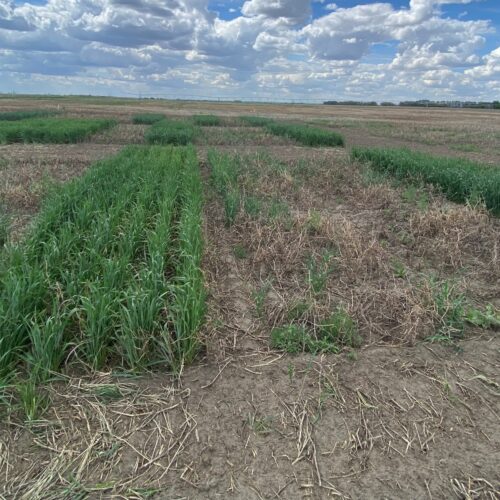
Research Results: Can Winter Barley be Grown in Central Saskatchewan?
Discover the results of a winter barley trial in Central Saskatchewan, exploring emergence, agronomic treatments, and the challenges of overwintering compared to winter wheat.
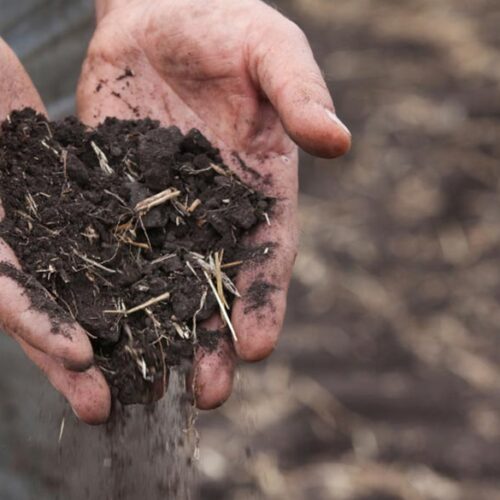
Top Reasons to Soil Test: Maximize Yields, Reduce Costs and Balance Nutrients
Discover the top reasons to soil test your fields and how it helps maximize crop yields, reduce fertilizer costs, and protect the environment. Learn why regular soil testing is essential for sustainable farming.
Soil Testing in Dry Years: Why It Is Even More Important
Soil testing in dry conditions can reveal leftover nutrients, prevent input waste, and improve crop planning. Learn why a fall soil test still matters—even in a dry year.
Barley Production Resources
From managing FHB and understanding chit, to battling herbicide-resistant weeds and optimizing your natural air drying (NAD) systems, SaskBarley provides resources to make it easier for you to grow quality barley year-after-year.
Search the categories below:
Fall Considerations: Wrapping up the Growing Season
At the end of the harvest season there are still decisions to be made that can help set the farm up for success in the following year. In addition to evaluating decisions made throughout the year, we can begin addressing nutrient management, weed risks, insect pressure and more.
Post-Harvest Review – How Much Taller Could That Stubble Be?
When moisture is limiting, it’s remarkable how much of a difference snowmelt makes. How can you best capture it? Read more.
Managing Late Tillers in Wheat and Barley
There are no straightforward answers when it comes to managing late tillers. Each farm has different needs, equipment, time, target markets, harvest window, and other factors that impact harvest management decisions. However, there are a few factors we can consider when developing a reasonable late tiller management plan. The first step is to consider the […]
Beyond Austenson: Game Changing New Feed Barley Varieties
Discover farmer funded new feed barley varieties that offer higher yields, better standability and more modern disease packages. Read more…
Malt Barley Seeding and Production Recommendations
Four malt barley agronomy and marketing experts provide malt barley seeding and production recommendations and discuss the agronomic and economic benefits of growing barley.
2024 Saskatchewan Seed Survey Interim Results
This survey provides a record of seed-borne pathogen trends in pulse and cereal crops and allows for continued tracking of diseases over time.