
Barley Production Resources
From managing FHB and understanding chit, to battling herbicide-resistant weeds and optimizing your natural air drying (NAD) systems, SaskBarley provides resources to make it easier for you to grow quality barley in Saskatchewan.
Search the categories below:
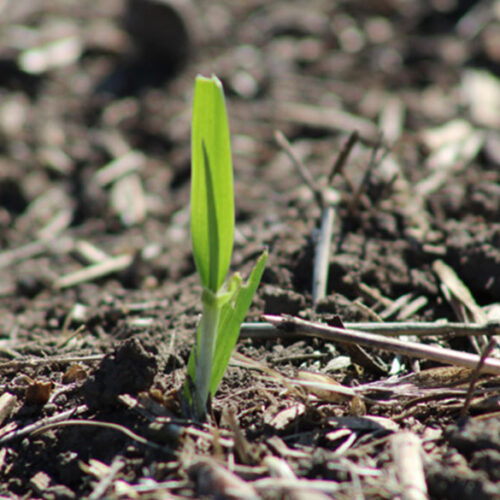
Barley Disease Management Resources
Read, listen or watch these resources to help you assess risk, scout and manage barley disease like fusarium head blight, cereal rust and other leaf spot diseases in your barley crop.
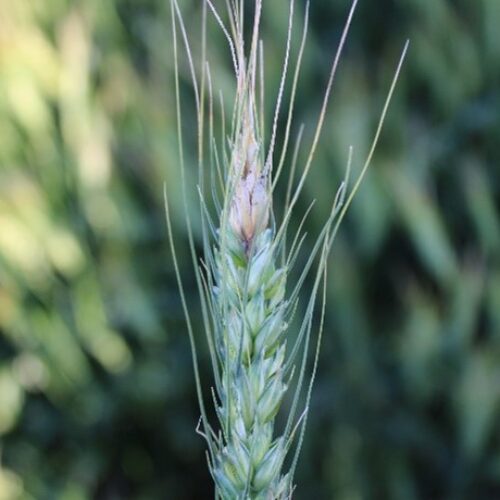
Assessing Risk of Fusarium Head Blight in Barley
Assessing Fusarium Head Blight (FHB) risk in barley requires proactive management before symptoms appear. Learn how to use the new Prairie-wide FHB Risk Maps, launched in May 2024, to complement crop checks and guide decision-making.
Navigating the New FHB Risk Mapping Tool
New FHB risk mapping tool for farmers! Introducing the prairie-wide Fusarium Head Blight (FHB) risk maps, a game-changer in disease management. Learn how to navigate this FHB monitoring tool and how these maps can revolutionize your crop protection plan. Read more…
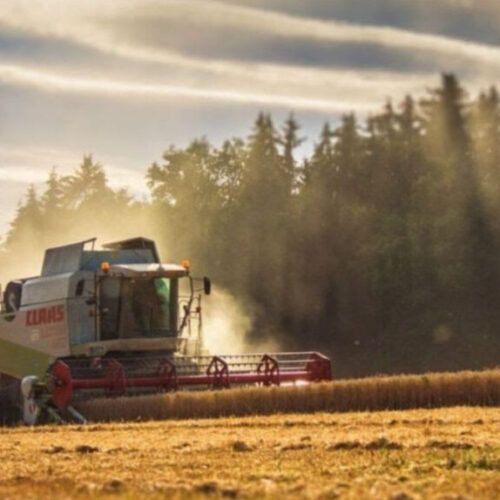
Prairie Crop Disease Monitoring Network Introduces Enhanced Quick Disease Reporter Tool for the Prairie Region
To help facilitate awareness of developing plant disease issues on a regional- and prairie-wide basis, the Prairie Crop Disease Monitoring Network (PCDMN) and the Agriculture and Agri-Food Canada (AAFC) Geomatics Group have collaborated on the development and deployment of the Prairie Crop Disease Monitoring Network Quick Disease Reporter Tool (PCDMN QDRT).
Harvesting Lodged Barley and Wheat
Discover expert strategies for managing lodged barley and other cereal crops. Learn how to reduce harvest losses, protect grain quality, and improve yield with practical tools and techniques.
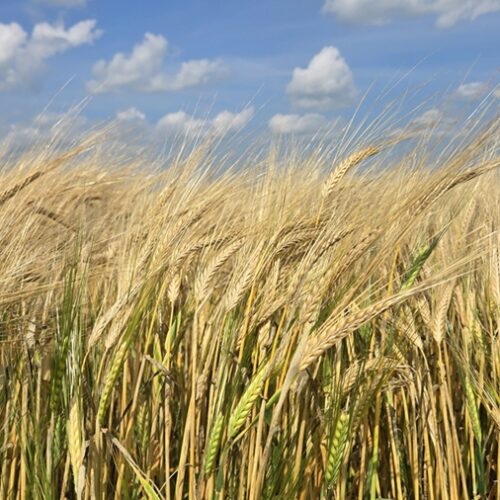
Know Your Malt Barley Specs: What Maltsters Want in 2025
Brewing a premium malt barley crop starts with understanding end-user specs. Here’s what maltsters are looking for in 2025—and how to hit those marks.
2025 Harvest Outlook: Dry Start, Hopeful Finish for Saskatchewan Barley
Dry conditions dominated early 2025, but late June and July rains brought relief. Here’s how Saskatchewan barley growers are shaping up for harvest.
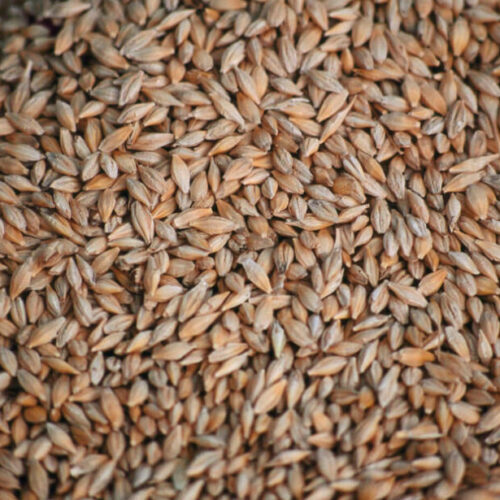
Get More from Your Barley: Join the Harvest Sample Program
Looking to get more out of your barley crop this year? The Canadian Grain Commission’s Harvest Sample Program offers barley producers free, valuable data that can help when marketing and delivering your grain.
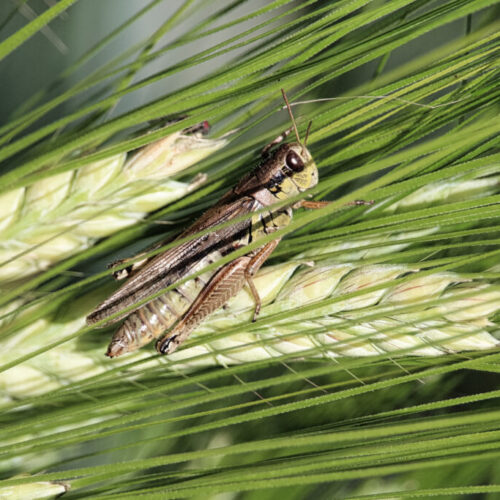
Grasshoppers: Forecast, Monitoring and Management
Two-striped grasshopper was identified as the main pest species in South Central, Southwestern, and Southeastern Saskatchewan in 2023 with some hotspots of the lesser migratory grasshopper, primarily in far-southern RMs.
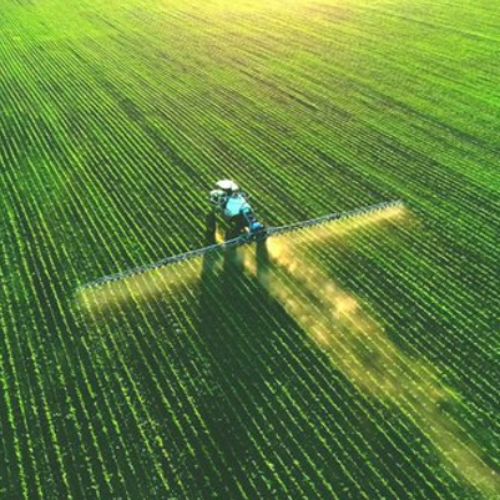
Insecticide Options In 2023 For Barley Producers
Heading into the 2023 growing season, we encourage barley producers to be aware of their insecticide options for controlling key pest species like grasshoppers.

Regenerative Agriculture Insights for Barley Producers in Saskatchewan
Explore regenerative agriculture strategies for barley production in Saskatchewan. Learn how soil health, cover crops, and sustainable practices can boost yields, reduce input costs, and improve resilience for prairie farmers.

Producer Guide to Maintaining Varietal Purity in Canadian Malting Barley
Learn how to maintain ≥95% varietal purity in malting barley. Actionable steps, common mistakes, and best practices for Canadian farmers.
Fight Fusarium Head Blight: Choose Barley Varieties with FHB Resistance
Discover malt and feed barley varieties with the most FHB resistance and understand how fusarium can affect your crop management and marketing plan.
How Canada’s Crop Breeding System Works for Farmers
Discover how Canada’s crop breeding system supports farmers through rigorous variety registration, plant breeders’ rights, and sustainable innovation. Learn how public and private sectors collaborate to deliver high-performing barley and cereal crops.
Special Edition: On-Farm Management of Herbicide Resistant Weeds – Josh Lade and Haley Tetreault
This special episode of the BarleyBin podcast was produced in collaboration with Sask Wheat and the Wheat Profit podcast. It focuses on the growing threat of herbicide resistance weeds to the prairies. Herbicide resistant wild oats being the most concerning…

Spraying in a Drought: Adapting to Dry Spraying Conditions for Better Weed Control
Struggling with drought and dry spraying conditions? Learn how to adapt your herbicide strategy, improve efficacy, and avoid costly mistakes when spraying in heat, wind, and low-moisture environments.
Keep it Clean: Understanding Market Risks and Ensuring Crop Marketability
Review the 2024 Product Advisory when building your crop protection plan. The recently released 2024 Product Advisory from KeepItClean.ca serves as a crucial resource for growers navigating the complexities of crop protection products and their potential impact on marketability.
Top Considerations of Early Season Weed Control in Cereals
Early season weed control can be key to optimizing yield and giving your crop a good head start. Even small weeds compete with your crop for moisture and nutrients while also acting as a host for insects and diseases. Controlling weeds while they are small prevents competition with the crop and in many cases improves herbicide efficacy. Here are our top considerations for early season weed control…
Barley Production Resources
From managing FHB and understanding chit, to battling herbicide-resistant weeds and optimizing your natural air drying (NAD) systems, SaskBarley provides resources to make it easier for you to grow quality barley year-after-year.
Search the categories below:
Risk maps are just one tool to help manage Fusarium Head Blight
This July 2024 update reveals varying risk levels of fusarium head blight (FHB) between crop types, with spring wheat showing higher risk compared to durum and barley.
Barley Disease Management Resources
Read, listen or watch these resources to help you assess risk, scout and manage barley disease like fusarium head blight, cereal rust and other leaf spot diseases in your barley crop.
Assessing Risk of Fusarium Head Blight in Barley
Assessing Fusarium Head Blight (FHB) risk in barley requires proactive management before symptoms appear. Learn how to use the new Prairie-wide FHB Risk Maps, launched in May 2024, to complement crop checks and guide decision-making.
Practices to Protect Germination in Malt Barley
Learn about barley germination and how harvest timing, moisture and storage management can protect malt quality.
Harvesting Lodged Barley and Wheat
Discover expert strategies for managing lodged barley and other cereal crops. Learn how to reduce harvest losses, protect grain quality, and improve yield with practical tools and techniques.
Know Your Malt Barley Specs: What Maltsters Want in 2025
Brewing a premium malt barley crop starts with understanding end-user specs. Here’s what maltsters are looking for in 2025—and how to hit those marks.
Insecticide Options and Pest Management Strategies for 2024
Welcome to our comprehensive quick reference guide for insecticide options and pest management strategies. In this document, we provide a concise overview of key insecticide options, and threshold guidelines to optimize crop protection and enhance yields. Read more…
Grasshoppers: Forecast, Monitoring and Management
Two-striped grasshopper was identified as the main pest species in South Central, Southwestern, and Southeastern Saskatchewan in 2023 with some hotspots of the lesser migratory grasshopper, primarily in far-southern RMs.
Insecticide Options In 2023 For Barley Producers
Heading into the 2023 growing season, we encourage barley producers to be aware of their insecticide options for controlling key pest species like grasshoppers.
Trends in Barley Varieties to Influence Your 2026 Seeding Plans
Plan your 2026 barley crop with confidence. Discover top malt and feed varieties, high-yield options, and acreage trends for the Prairies.
Regenerative Agriculture Insights for Barley Producers in Saskatchewan
Explore regenerative agriculture strategies for barley production in Saskatchewan. Learn how soil health, cover crops, and sustainable practices can boost yields, reduce input costs, and improve resilience for prairie farmers.
Producer Guide to Maintaining Varietal Purity in Canadian Malting Barley
Learn how to maintain ≥95% varietal purity in malting barley. Actionable steps, common mistakes, and best practices for Canadian farmers.
Feed Barley: Pre-Harvest Glyphosate Staging for Weed Control
Do not apply pre-harvest glyphosate to your cereal crops when the grain moisture is above 30%. This could leave unacceptable residue levels and impact the marketability of your grain. Use the thumbnail test to determine whether your grain is at the appropriate stage of maturity.
Special Edition: On-Farm Management of Herbicide Resistant Weeds – Josh Lade and Haley Tetreault
This special episode of the BarleyBin podcast was produced in collaboration with Sask Wheat and the Wheat Profit podcast. It focuses on the growing threat of herbicide resistance weeds to the prairies. Herbicide resistant wild oats being the most concerning…
Spraying in a Drought: Adapting to Dry Spraying Conditions for Better Weed Control
Struggling with drought and dry spraying conditions? Learn how to adapt your herbicide strategy, improve efficacy, and avoid costly mistakes when spraying in heat, wind, and low-moisture environments.