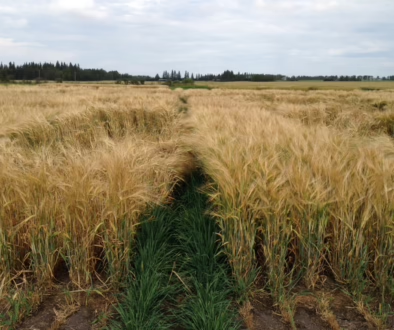
When to Seed Barley
Key Takeaways
- Early seeding barley significantly improves both yield and quality, making it crucial for farmers.
- Research shows that barley seeded in April outperforms May-seeded crops, with delayed seeding causing yield losses.
- Early seeding enhances malt quality, resulting in higher plumpness, lower protein, and reduced disease pressure.
- Farmers should prioritize flexibility and be ready to seed early when conditions are ideal for barley.
- Practical tips include targeting appropriate soil temperatures, using seed treatments, and applying nutrients for better early growth.
When it comes to barley, timing is everything. Saskatchewan farmers know how tight the seeding window can be, and with multiple crops to get in the ground, it’s easy to bump barley further down the list. But the research is clear: the earlier you seed, the better your chances of hitting both yield and quality targets.
Why Early Seeding Pays
Studies from Alberta and Manitoba and the Prairie region have consistently shown that barley seeded in April outyields May-seeded barley by a wide margin. In some trials, every week of delay past early May led to yield losses of 1–2 bushels per acre. Later seeding increases the risk of crops hitting grain fill during July heat, which stresses plants and cuts plumpness. The one exception the researchers found is that later seeded barley in the northern regions did not consistently have the same yield penalty as southern regions.
Barley thrives in cool conditions. By planting early, you give the crop more time to tiller, develop uniform heads, and set kernels before Prairie heat and drought start to creep in. That’s especially important in a dry year.
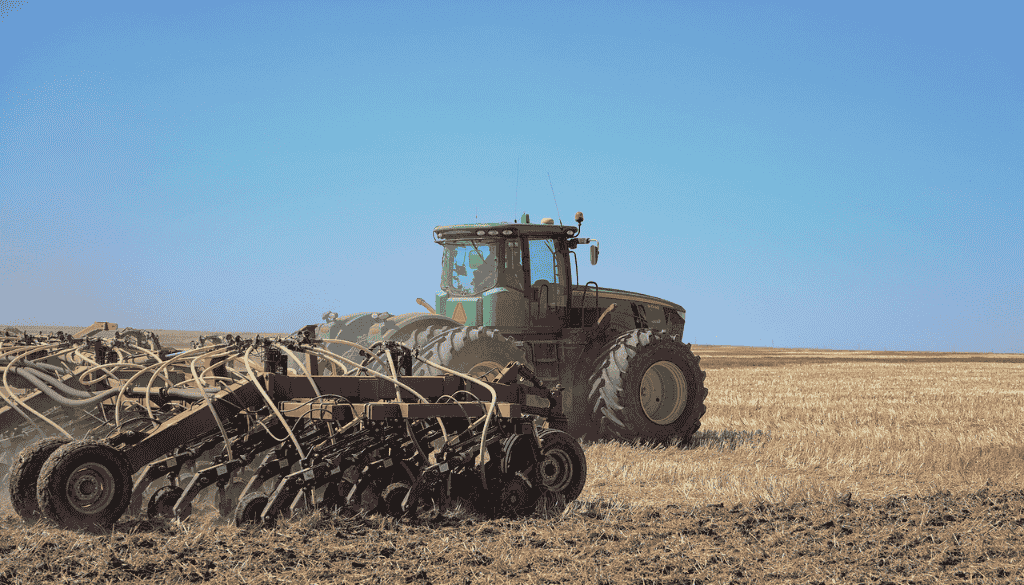
Quality Advantages of Early Seeding
It’s not just yield. Early-seeded barley has a better chance of meeting malt quality specs:
- Higher plumpness: cooler growing conditions promote fuller kernels.
- Lower protein: plants aren’t as stressed, keeping levels in the 10–12.5% malt target.
- Better uniformity: fewer late tillers means fewer green kernels at harvest.
- Reduced disease pressure: earlier planting may result in flowering before the summer heat – when the risk of fusarium head blight infection is lower.
The Trade-Offs
Of course, logistics matter. Farmers often prioritize canola or wheat, which can push barley later into May. And in some areas, soils may simply be too cold or wet for a mid-April start. The key is flexibility—having fields ready so barley can go in as soon as conditions allow.
Read more: Post-Harvest Guide: Essential Fall Management Strategies for Your Farm
It’s also important to pair early seeding with proper fertility. A strong, uniform stand requires enough nitrogen and phosphorus to carry the crop through its rapid early growth stage.
Practical Tips for Early Barley Seeding:
- Aim for soil temperatures above 4–5°C for germination. (Research on ultra-early seeding barley is underway, supported by SaskBarley)
- Choose fields that warm quickly and aren’t prone to waterlogging.
- Consider seeding barley ahead of canola if the soil is ready.
- Use seed treatments if seeding into cooler, wetter soils to protect against early-season disease.
- Include starter phosphorus and potassium in the seedrow – these nutrients are less mobile and give the crop an early boost.
Early seeding sets the foundation for strong barley crops. It reduces risk, improves quality, and helps ensure your grain has the best shot at making malt. In a competitive market, being a few days ahead on the seeder could be the difference between feed and a malt premium.
Find more Seeding Resources:
Delayed Seeding? How to Manage for Better Yields in a Short Growing Season