Barley Seed Germination and Fusarium Levels in Saskatchewan
2025 Provincial Seed Survey Results for 2026 Crop Planning
Each winter, the Saskatchewan provincial seed survey provides an early, data‑driven look at barley seed quality, helping growers assess risks well ahead of spring planting. The 2025 survey results show barley seed germination holding steady, but also point to a notable increase in Fusarium presence compared with 2024. This article summarizes what the latest barley germination and Fusarium infection data mean for Saskatchewan growers as they plan for the 2026 seeding season, with a focus on risk management, seed testing, and informed seed selection.
(If you need the full multicrop survey, including maps and tables, you can find it here.)
Barley Seed Germination Results in Saskatchewan (2025 Survey)
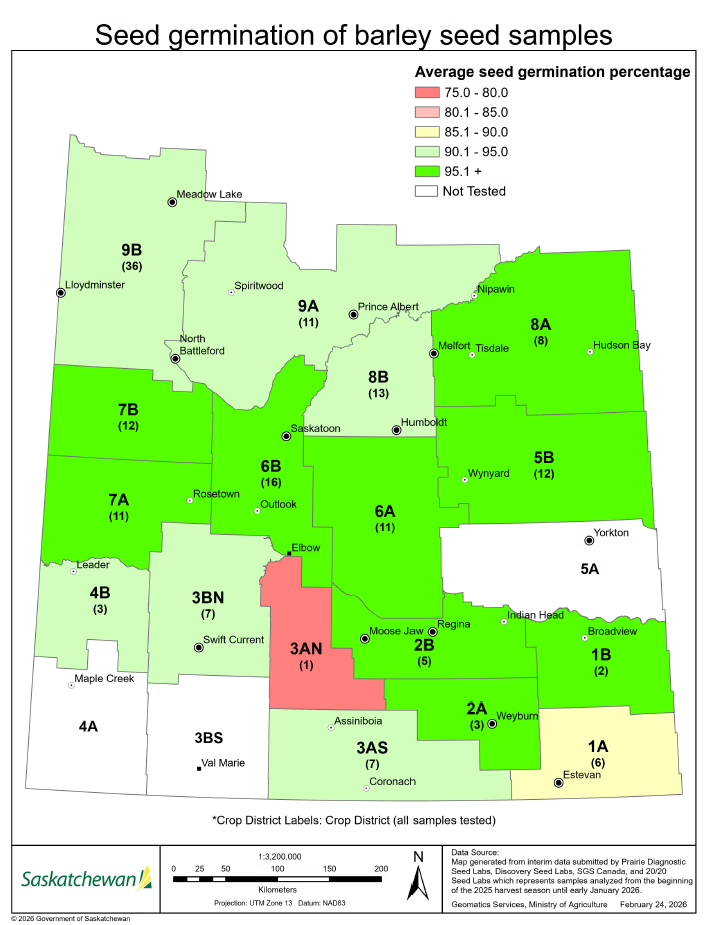
Interim results from the 2025 provincial survey show barley germination remains strong, closely aligned with last year’s levels.
- 2025 mean germination: 95.0%
- 2024 mean germination: 95.1%
- Number of barley samples: 164
Compared to several other crops—such as durum, chickpea, and oats, which all saw declines from 2024—barley continues to demonstrate reliable performance. Even though overall provincial germination across all crops dipped to 92.0%, barley is still trending well above that average.
That said, there are always pockets of lowerquality seed. The survey notes that some areas have seen concerningly low germination this winter, reinforcing the importance of testing individual seed lots before seeding.
Fusarium Levels in Saskatchewan Barley Seed: 2025 Results
While germination results remain encouraging, the pathogen results tell a more cautionary story, especially when compared with 2024.
Fusarium graminearum in Barley:
- 57.3% pathogenfree in 2025, down from 77.8% in 2024
- Mean infection level: 1.1% (2025) vs. 1.0% (2024)
Barley saw a significant drop in the proportion of samples free from F. graminearum, suggesting increased disease pressure. Although mean infection levels remain low, this downward trend in pathogenfree lots highlights the need for careful monitoring.
Total Fusarium spp. in Barley
- 9.0% pathogenfree in 2025, down from 25.8% in 2024
- Mean infection: 6.4% (2025) vs. 2.3% (2024)
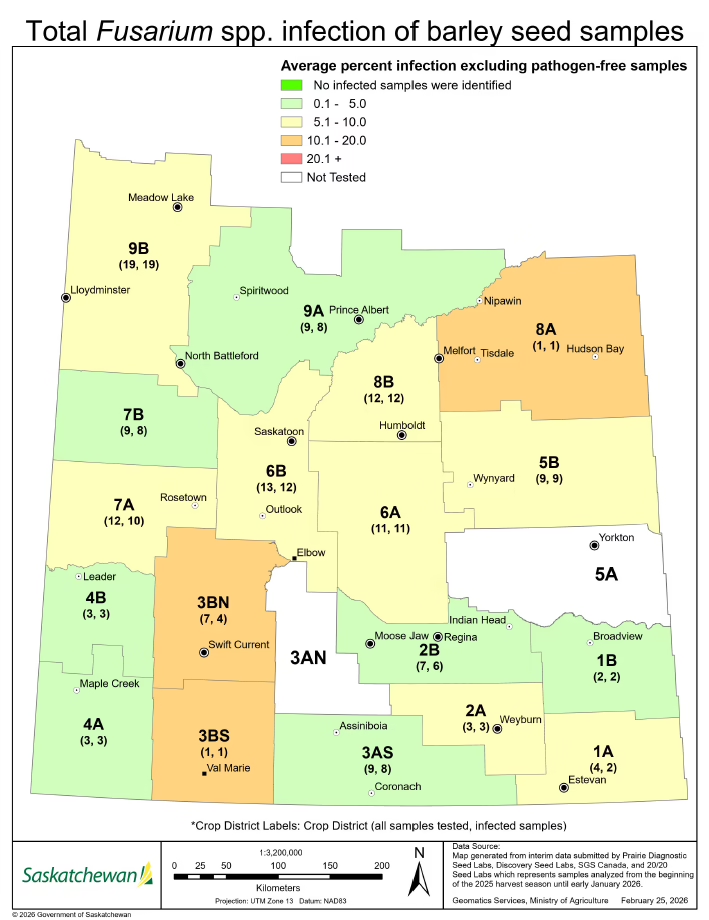
This is one of the more notable shifts in the 2025 dataset. Not only did the proportion of pathogenfree samples fall sharply, but infection levels also nearly tripled. While infection levels will vary widely by region and seed lot, this trend suggests growers should avoid assumptions based on past years and ensure seed sources are tested.
Remember: Precipitation, humidity and warm temperatures create the optimal environmental conditions for the development of fusarium head blight. Learn more on Assessing Risk of Fusarium Head Blight in Barley.
What Rising Fusarium Levels Mean for 2026 Barley Seeding
Here are the key takeaways for 2026 planning:
1. Don’t Skip Seed Testing This Year
Even with strong germination provincewide, the decline in Fusarium free lots underscores the need to test each seed lot—especially if the seed originates from an area known for higher moisture or past Fusarium issues.
2. Assess Fusarium Risk for Your Area
Barley infection levels vary by crop district. The survey includes detailed maps that outline district level patterns for total Fusarium in barley. These can help growers assess whether they are in a higher risk region.
Use the Fusarium Head Blight Risk Mapping tool at prairiefhb.ca.
3. Consider Seed Source if Germination is Borderline
Where germination tests come back lower than desirable, sourcing higher quality seed is recommended. This advice matches the broader provincial guidance that some areas have experienced lower than average seed quality this year.
You can find Certified Seed Growers in your area at seedlocator.net or with the Interactive SaskSeed® Guide.
4. Make Fungicide and Rotation Decisions Early
Higher Fusarium presence in seed lots may influence:
- Variety choice – here’s a list of barley varieties with good FHB resistance
- Seed treatment decisions
- Crop rotation plans
- Storage and drying management
Looking Ahead
The 2025 interim results show barley holding steady in germination but facing a noticeable rise in Fusarium presence. While infection levels are still manageable, the downward trend in pathogen-free samples makes early testing and informed seed selection more important than ever.
For growers wanting district level maps, details on other crops, or full tables, the complete provincial seed survey provides that broader picture.